
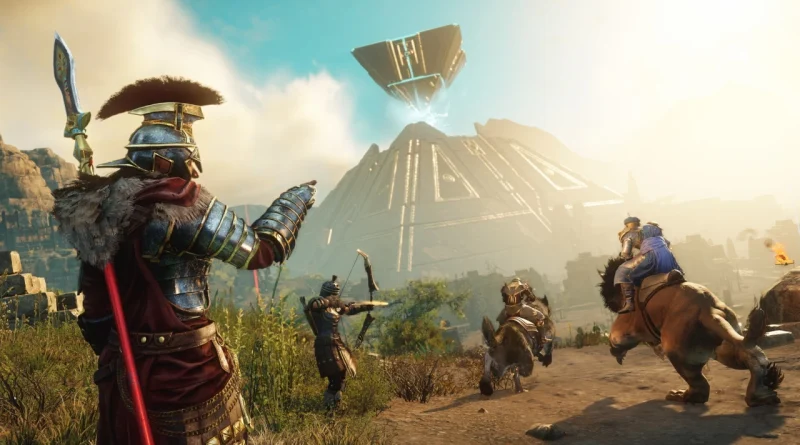
Amazon’s Final Concessions: Dying New World to Remove Key Content Restrictions
From Record Launch to Rapid Decline
The slow decline of Amazon Games’ ambitious MMORPG New World: Aeternum continues its inevitable trajectory, as the tech giant prepares yet another patch designed to ease the experience for the dwindling player base. In what many industry observers are calling a last-ditch effort to retain remaining fans, the upcoming update will remove several key restrictions on content access, signaling the game’s transition into maintenance mode rather than active development.
New World launched in September 2021 with tremendous expectations and an impressive initial surge of over 900,000 concurrent players on Steam alone. The game represented Amazon’s most serious attempt to break into the competitive MMORPG market, backed by the company’s seemingly unlimited resources and technical infrastructure. However, the honeymoon period was short-lived, as players quickly encountered numerous bugs, exploits, and a severe lack of endgame content that sent the population into freefall within months of release.
The rebrand to New World: Aeternum in late 2024 was intended to mark a new beginning for the struggling title, introducing console versions and an overhauled experience for newcomers. In spite of these changes, the game has had difficulty sustaining a viable player base, with Steam charts indicating concurrent player numbers now lingering in the low thousands – a sharp departure from its explosive launch. This steep decline echoes the trajectory of other prominent MMORPG failures, although few have dropped from such peaks so quickly.
A Philosophical Shift in Content Access
The forthcoming patch reflects a philosophical change in how Amazon handles the game’s remaining content. By eliminating restrictions on various gameplay elements – likely including dungeon lockouts, gear acquisition limits, and expedition requirements – the developers are effectively conceding that the game no longer requires artificially prolonged playtime. When a game is thriving and expanding, such restrictions function to regulate player progression and sustain engagement over time. When lifted, it generally indicates that developers want the remaining players to experience everything before potential server consolidations or shutdowns.
Amazon’s Broader Gaming Struggles
Amazon’s struggles in the gaming space extend far beyond New World. The company has invested billions of dollars into game development over the past decade, with remarkably little to show for it. Crucible, a hero shooter, was canceled in 2020 after just five months. Multiple other projects have been quietly shelved or restructured. Only the free-to-play shooter Lost Ark, which Amazon published rather than developed, has achieved lasting success in the Western market. This track record has led many analysts to question whether the e-commerce giant truly understands what makes games successful.
The MMORPG genre itself has faced significant challenges in recent years, with very few new entries managing to capture the magic of established titles like World of Warcraft, Final Fantasy XIV, or Elder Scrolls Online. The market has become increasingly difficult for newcomers, as players have invested years and significant emotional attachment into existing games. New World’s failure demonstrates that even massive financial backing cannot guarantee success in a genre where community, content consistency, and long-term vision are paramount.
A Cautionary Tale for the Industry
For the dedicated players who remain in Aeternum, these upcoming changes will provide some comfort, allowing them to experience content that may have previously been gated behind time-consuming requirements or group-finding difficulties. Whether these concessions represent a genuine attempt to improve the player experience or simply a way to wind down the game gracefully remains to be seen. What is clear is that New World stands as a cautionary tale about the challenges of launching a live-service game in an oversaturated market, and the difficulty of recovering from a troubled launch regardless of how deep one’s pockets may be.