
Rogue Spirit Preview: Does Stealth Belong in a Roguelike?
The Ghost Warrior’s Unique Possession Mechanic
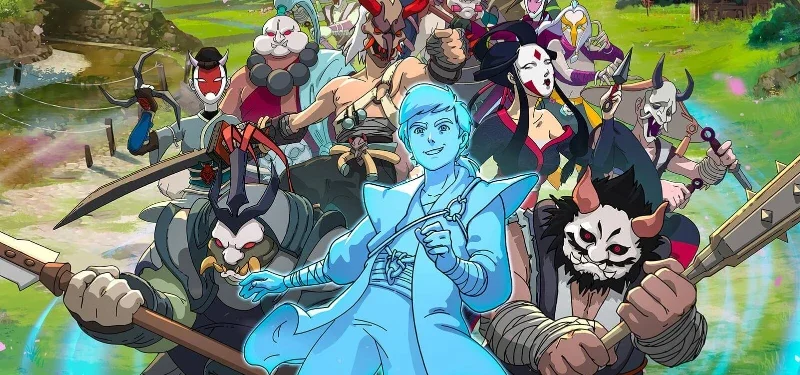
In Rogue Spirit, players take on the role of a ghost warrior tasked with liberating the kingdom of Midra from demonic forces. The core gameplay hook revolves around the protagonist’s ability to possess enemies, effectively stealing their bodies and combat abilities. This possession mechanic serves as the bridge between stealth and action, encouraging players to carefully scout areas, identify high-value targets, and strategically choose which enemy forms will best serve their current run. Each possessed body comes with unique weapons and special abilities, adding layers of tactical decision-making that roguelike enthusiasts have come to expect from the genre.
Reconciling Two Opposing Philosophies
The roguelike genre has undergone an impressive revival throughout the last ten years, with games such as Hades, Dead Cells, and Returnal proving that permadeath mechanics can deliver engaging stories and habit-forming gameplay cycles. These titles generally prioritize speed and offensive play, rewarding gamers who can process information and respond rapidly when under stress. Stealth games, in contrast, require patience, careful observation, and deliberate strategy. Legendary franchises like Metal Gear Solid and Hitman established their fame through gradually mounting tension, where one error can undo minutes of meticulous positioning. Rogue Spirit’s effort to merge these contrasting design philosophies stands as one of the bolder creative decisions in recent times.
Visual Design Serving Gameplay
The visual presentation of Rogue Spirit deserves particular attention, as the developers have crafted a distinctive cel-shaded world that draws heavily from Japanese animation traditions. The Kingdom of Midra features floating islands, ancient temples, and lush environments that pop with color and personality. Character designs lean into anime tropes, with exaggerated proportions and expressive animations that give each enemy type a memorable silhouette. This aesthetic choice serves a practical purpose beyond mere style: in stealth-focused gameplay, being able to quickly identify enemy types and their potential abilities from a distance becomes crucial for survival and strategic planning.
Early Access: Promises and Growing Pains
Feedback during Early Access has revealed both the promise and the developmental challenges of Rogue Spirit’s blended approach. Certain players note that the stealth mechanics appear less polished than the possession system, featuring AI behaviors that become easy to manipulate once understood. Others commend the gratification of successfully sneaking into an enemy encampment, taking over a formidable warrior, and then wielding their acquired powers to eliminate the remaining foes. The progression system, which lets players unlock permanent enhancements across runs, helps soften the blow of dying while preserving the genre’s trademark difficulty. Nevertheless, balancing problems typical of Early Access releases mean that some possession targets currently vastly surpass others in effectiveness.
Community-Driven Development
The development team at Kids With Sticks has shown commitment to community feedback, releasing regular updates that address player concerns and expand content. This iterative approach has become standard practice for Early Access roguelikes, with games like Risk of Rain 2 and Vampire Survivors demonstrating how community involvement can shape a title into something greater than its initial release. For Rogue Spirit, key areas requiring attention include enemy variety, level generation algorithms, and the integration of stealth rewards into the broader progression system. Players who enjoy stealth approaches currently feel somewhat penalized compared to those who favor direct combat, an imbalance that undermines the game’s core concept.
The Verdict: A Promising Experiment
Whether Rogue Spirit eventually demonstrates that stealth has a place in roguelikes will largely hinge on the developers’ commitment to refining and polishing their concept. The groundwork shows promise: the possession mechanic is truly original, the art direction is distinctive, and the central gameplay loop delivers moments of real satisfaction. Yet the Early Access build exposes a game that’s still seeking the perfect equilibrium between patience and action, between thoughtful preparation and spontaneous mayhem. For gamers interested in genre-fusion experiments, Rogue Spirit provides a fascinating preview of what might evolve into an exceptional title—assuming the development team can crack the challenge they’ve created for themselves.