
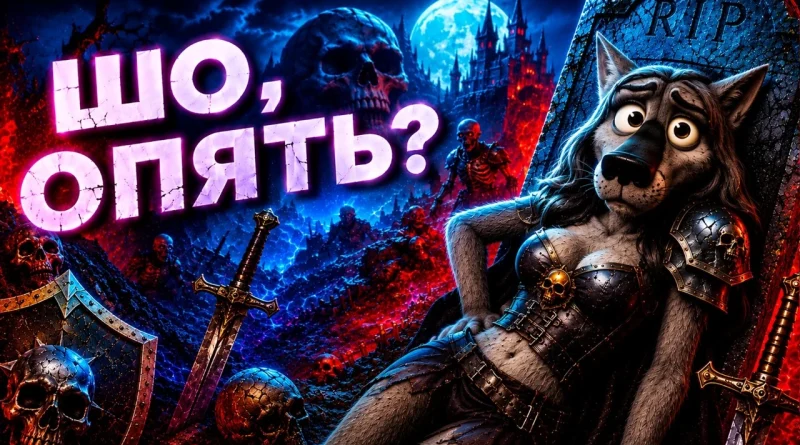
Is the MMORPG Genre Truly Dead? Examining the Evolution of Massively Multiplayer Online Games
The gaming community has been engaged in a heated debate for years now, with one question dominating forums, social media discussions, and gaming podcasts: Is the MMORPG genre dead? This sentiment, once whispered among veteran players nostalgic for the golden age of online gaming, has now become a mainstream talking point that deserves serious examination. While subscriber numbers for some classic titles have declined and new releases struggle to capture the magic of their predecessors, declaring the death of MMORPGs may be premature and overlooks the complex evolution happening within the genre.
The Golden Age of MMORPGs
The MMORPG genre reached its zenith in the mid-2000s, with World of Warcraft leading the charge and reaching a staggering 12 million subscribers at its peak in 2010. This era saw countless developers attempting to replicate Blizzard’s success, resulting in a flood of subscription-based MMORPGs entering the market. Titles like Guild Wars, Lord of the Rings Online, Star Wars: The Old Republic, and Final Fantasy XIV all competed for player attention, creating what many consider the golden age of massively multiplayer gaming. Players formed lasting friendships, guilds became second families, and virtual worlds felt genuinely alive with thousands of adventurers pursuing common goals.
The Shift to Free-to-Play
However, the landscape began shifting dramatically around 2012-2015. The free-to-play model, pioneered successfully by games from Asian markets, started dominating the Western gaming scene. Traditional subscription models became increasingly difficult to maintain as players grew accustomed to accessing content without monthly fees. This transition fundamentally altered how MMORPGs were designed and monetized, with many critics arguing that the focus shifted from creating immersive worlds to maximizing microtransaction revenue. The social fabric that once defined these games began to fray as convenience features like automatic group finders reduced the need for player interaction and community building.
Factors Behind the Perceived Decline
Industry analysts point to several factors contributing to the perceived decline of MMORPGs. The rise of competitive gaming and esports has redirected player attention toward faster-paced experiences like battle royales, MOBAs, and tactical shooters. Games like Fortnite, League of Legends, and Valorant offer instant gratification and shorter play sessions that better fit modern lifestyles. Additionally, the mobile gaming revolution has captured a significant portion of the casual gaming market that once supplemented MMORPG populations. Development costs for AAA MMORPGs have also skyrocketed, with projects requiring hundreds of millions of dollars and years of development time, making publishers increasingly risk-averse about investing in the genre.
Signs of Life: MMORPGs Fighting Back
Yet declaring the MMORPG dead ignores significant evidence to the contrary. Final Fantasy XIV has experienced a remarkable renaissance, with its Shadowbringers and Endwalker expansions receiving critical acclaim and driving subscriber numbers to record highs. The game reportedly surpassed World of Warcraft in active players during 2021, demonstrating that well-crafted MMORPGs can still capture massive audiences. Similarly, games like Elder Scrolls Online, Black Desert Online, and New World have found substantial player bases, each offering unique takes on the traditional formula. The success of World of Warcraft Classic, which brought back the vanilla experience, proved that nostalgia remains a powerful force and that many players genuinely miss the old-school MMORPG philosophy.
Transformation, Not Death
What we are observing is not the demise of a genre but instead its evolution and diversification. Contemporary MMORPGs are adapting to integrate features from other thriving genres while preserving their fundamental essence of persistent worlds and multiplayer engagement. Games are testing action-based combat mechanics, seasonal content structures, and hybrid gameplay frameworks that merge single-player narratives with multiplayer endgame activities. The boundaries of what defines an MMORPG are broadening, with titles like Destiny 2 and The Division inhabiting a middle ground between conventional MMOs and looter shooters, drawing in players who might never have identified themselves as MMORPG enthusiasts.
The future of MMORPGs likely lies in innovation rather than imitation. Upcoming titles like Ashes of Creation and Riot Games’ rumored MMORPG project are generating significant anticipation by promising fresh approaches to familiar concepts. Meanwhile, established titles continue to evolve and adapt to changing player expectations. The genre that brought millions of players together in virtual worlds is not dying—it is simply growing up, adapting to a gaming landscape vastly different from its origins. For those who remember the magic of early MMORPGs, the challenge is accepting that the genre must change to survive while hoping that its essential spirit of community and adventure endures in whatever form it takes next.