
Genshin Impact Reportedly Set to Receive Major Engine Overhaul Alongside Snezhnaya Release
As the highly anticipated release of Snezhnaya draws near, the Genshin Impact community is buzzing with excitement over rumors of a significant technical upgrade. According to multiple industry insiders, developer miHoYo (operating internationally as HoYoverse) is preparing to launch a completely revamped version of their game engine coinciding with the introduction of the seventh and final major region in the game’s storyline. This potential overhaul represents one of the most substantial technical updates in the game’s history since its initial launch in September 2020.
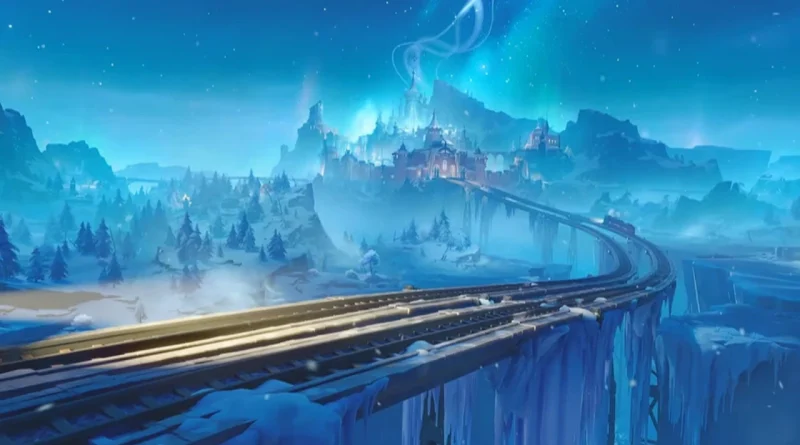
Snezhnaya: The Final Nation Awaits
The Snezhnaya region, inspired by Russian culture and known in-game as the homeland of the Fatui organization and the Cryo Archon, has been teased since the game’s earliest days. Players have encountered numerous characters hailing from this frozen nation, including fan-favorites like Tartaglia (Childe), Signora, and Scaramouche, building anticipation for what promises to be a climactic chapter in Genshin Impact’s overarching narrative. The region is expected to bring the Traveler’s journey through Teyvat’s seven nations to its conclusion, setting the stage for potential future story developments.
Addressing Technical Limitations Across Platforms
According to industry analysts, an engine upgrade of this scale would resolve multiple persistent technical constraints that have impacted the game’s performance on different platforms. Genshin Impact has been accessible on PlayStation, PC, iOS, and Android devices since its release, with each platform posing distinct optimization difficulties. Although remarkable when first introduced, the existing engine has exhibited signs of stress as the game world has grown considerably over the past four years, with every new region introducing substantial volumes of content, assets, and gameplay mechanics that require progressively more powerful hardware.
The timing of such an upgrade makes strategic sense from a development perspective. Major game engines require significant resources to update, and aligning such changes with a landmark content release allows developers to justify the investment while giving players compelling reasons to experience the improvements firsthand. Similar approaches have been adopted by other live-service games, where technical overhauls are bundled with major expansions to maximize player engagement and media attention.
Lessons from HoYoverse’s Newer Titles
HoYoverse has demonstrated its commitment to pushing technical boundaries with subsequent releases like Honkai: Star Rail and the upcoming action game Zenless Zone Zero. Technologies and optimizations developed for these newer titles could potentially be backported to Genshin Impact, bringing improvements in areas such as lighting systems, character rendering, world streaming, and overall performance optimization. Players have long requested better frame rate stability on mobile devices and enhanced graphical options for high-end PC configurations.
Financial Stakes and Community Expectations
The financial implications of such an upgrade are substantial. Genshin Impact has generated billions of dollars in revenue since launch, consistently ranking among the highest-grossing mobile games globally. Maintaining technical competitiveness is essential for player retention, especially as newer open-world games enter the market with more advanced graphics and smoother performance. A major engine update would signal HoYoverse’s long-term commitment to the title and potentially attract lapsed players back to the game while impressing newcomers.
While official confirmation from HoYoverse remains pending, the community is cautiously optimistic about these reports. The company has historically maintained strict secrecy around major announcements, preferring to reveal information through carefully orchestrated livestream events and special programs. With Snezhnaya’s release potentially arriving within the coming year, players worldwide are eagerly watching for any official communication that might confirm these exciting rumors about the future of one of gaming’s most successful live-service titles.