
Microsoft Finally Allows Proper Start Menu Customization in Windows 11
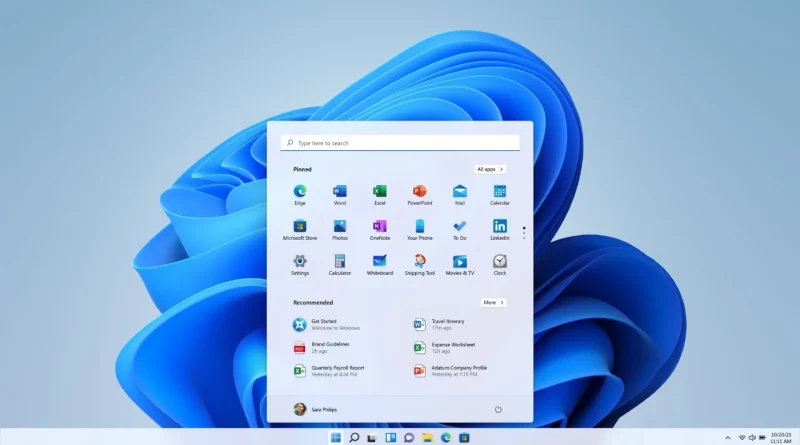
Microsoft has begun testing one of the most anticipated changes to Windows 11 — flexible Start menu customization. The new features have already appeared in the Insider preview build of the operating system, allowing users to independently choose which sections of the menu they actually need. This development marks a significant shift in Microsoft’s approach to user interface personalization, addressing years of complaints from Windows users who felt constrained by the company’s design decisions.
The Evolution of the Windows Start Menu
The Start menu has been a cornerstone of the Windows experience since its introduction in Windows 95, revolutionizing how users interact with their computers. Over the decades, Microsoft has repeatedly redesigned this iconic feature, sometimes to widespread acclaim and other times to significant backlash. Windows 8’s radical departure from the traditional Start menu, replacing it with a full-screen Start screen optimized for touch devices, was met with such intense criticism that Microsoft partially reversed course with Windows 8.1 and fully restored a more traditional approach in Windows 10.
After Windows 11 debuted in October 2021, the overhauled Start menu quickly emerged as one of its most divisive elements. Microsoft moved the taskbar and Start button to the center, completely eliminated live tiles, and unveiled a streamlined interface featuring pinned applications and a recommendations area. Although some users welcomed the more refined look, numerous power users and dedicated Windows fans considered the new design restrictive and rigid. The lack of options to adjust the menu’s size, eliminate the recommendations area, or personalize the arrangement sparked considerable frustration and pushed some users toward third-party applications to recover features they had appreciated in earlier versions.
What the New Customization Options Offer
The new customization options being tested in the Windows Insider program represent a direct response to this user feedback. According to reports from testers, users can now toggle various sections of the Start menu on or off, effectively allowing them to create a personalized experience that suits their workflow. This includes the ability to hide or show the recommendations section, which has been a particular point of contention for users who found it cluttered with suggestions they never wanted or needed. The changes also reportedly allow for greater flexibility in how pinned applications are displayed and organized.
Microsoft’s Feedback-Driven Development Approach
This evolution illustrates a wider pattern in Microsoft’s Windows development strategy under CEO Satya Nadella’s direction. The company has placed growing emphasis on user input through initiatives like Windows Insider, which currently includes millions of participants globally who test new capabilities before they reach everyday consumers. The Insider program functions through several channels — Canary, Dev, Beta, and Release Preview — with each providing varying degrees of stability and feature availability. New capabilities generally begin in the more experimental channels before progressively advancing to stable releases, enabling Microsoft to detect and resolve problems before they impact the wider user population.
Industry Impact and Competition
Industry analysts suggest that Microsoft’s willingness to revisit and improve the Start menu customization options indicates a more responsive approach to user experience design. The company has faced increasing competition from Apple’s macOS and various Linux distributions, which have long offered more extensive customization options. Additionally, the rise of alternative Windows shells and Start menu replacements like Start11 and Open-Shell demonstrated clear market demand for features Microsoft wasn’t providing natively. By incorporating this functionality directly into Windows 11, Microsoft may reduce users’ reliance on third-party solutions while improving overall satisfaction with the operating system.
When Can Users Expect These Features?
The timeline for when these customization features will reach the general Windows 11 user base remains uncertain. Features tested in Insider builds typically undergo several months of refinement before being rolled out through Windows Update to all users. Microsoft has not officially announced when this particular update will be released to the stable channel, but given the level of user interest, the company may prioritize its development. For now, eager users can access these features by joining the Windows Insider Program, though this comes with the caveat of potentially encountering bugs and system instability that are inherent to pre-release software testing.