
Resident Evil 6 Continues to Lead Capcom’s Sales Charts Despite Divisive Reception
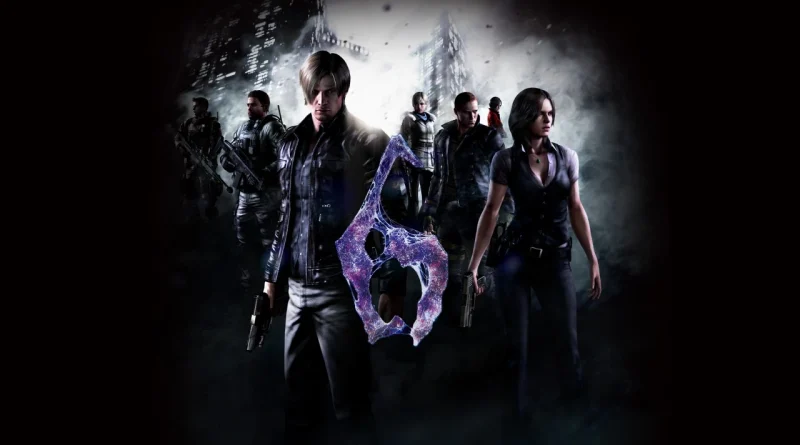
In a surprising turn of events that has caught the gaming community off guard, Capcom’s latest sales report reveals that Resident Evil 6 continues to dominate the company’s million-seller list, demonstrating remarkable longevity in the marketplace. The Japanese gaming giant recently updated its comprehensive sales data for titles that have surpassed the one million copies sold milestone, and the 2012 release has emerged as the standout performer, showing the strongest sales growth among all games in Capcom’s extensive catalog. This unexpected development has reignited discussions about the game’s legacy and its place within the beloved survival horror franchise.
A Controversial Entry in the Franchise
Resident Evil 6 has long occupied a controversial position in gaming history, representing what many fans and critics considered a dramatic departure from the series’ survival horror roots. When it launched in October 2012, the game faced significant criticism for its heavy emphasis on action-oriented gameplay, quick-time events, and a convoluted narrative structure that attempted to weave together four separate campaigns featuring different protagonists. Professional reviews were notably mixed, with many publications scoring the title in the 6-7 range out of 10, citing concerns about pacing, camera issues, and the perceived abandonment of the atmospheric tension that had defined earlier entries in the franchise.
Ambitious Development and Scope
The game’s development represented one of Capcom’s most ambitious undertakings at the time, with a reported budget exceeding $50 million and a development team of approximately 600 people working across multiple studios. Director Eiichiro Sasaki and producer Hiroyuki Kobayashi sought to create the most expansive Resident Evil experience ever conceived, featuring iconic characters such as Leon S. Kennedy, Chris Redfield, and newcomer Jake Muller. The campaign structure allowed players to experience the global bioterror outbreak from multiple perspectives, with intersecting storylines that occasionally brought characters together for cooperative moments.
Commercial Success Despite Critical Reception
Despite the critical reception, the commercial performance of Resident Evil 6 tells a different story entirely. The game shipped 4.5 million copies within its first month of release, setting a franchise record at the time. Over the subsequent years, it has continued to accumulate sales through various re-releases, including enhanced versions for PlayStation 4, Xbox One, and Nintendo Switch. The game’s availability on multiple platforms, combined with frequent deep discounts during digital sales events, has contributed to its sustained commercial success. Industry analysts suggest that the title’s action-heavy approach, while alienating hardcore survival horror enthusiasts, may have actually broadened its appeal to mainstream audiences seeking cooperative multiplayer experiences.
The Franchise Renaissance Effect
The Resident Evil series overall has undergone an impressive resurgence in recent years, which could be fueling heightened curiosity about earlier installments. The critically praised Resident Evil 7: Biohazard signaled a comeback to survival horror in 2017, succeeded by the revolutionary remakes of Resident Evil 2 and Resident Evil 3, and most recently the tremendously successful Resident Evil Village in 2021. This rejuvenation of the franchise has probably motivated inquisitive newcomers to delve into the complete series history, including the more action-focused titles like Resident Evil 6. Furthermore, the game has cultivated a dedicated cult following among players who enjoy its exaggerated action sequences and comprehensive cooperative multiplayer features.
Capcom’s transparent approach to sharing sales data provides valuable insight into the gaming industry’s long-tail economics. Unlike other entertainment mediums where products quickly fade from relevance, video games can continue generating revenue for decades through digital storefronts, subscription services, and re-releases on new hardware. The company’s platinum titles list, which tracks games exceeding one million in sales, currently features numerous Resident Evil entries, with the franchise collectively representing one of the most successful horror gaming properties in history. The series has sold over 135 million copies worldwide since the original game’s debut on PlayStation in 1996.
Looking to the Future
Looking ahead, Capcom shows no signs of slowing down its support for the Resident Evil franchise. Recent announcements have confirmed continued development of new entries, remakes, and spin-off projects that will keep the brand relevant for years to come. The unexpected continued success of Resident Evil 6 serves as a reminder that commercial viability and critical reception do not always align in the gaming industry, and that titles initially dismissed by critics can find substantial audiences over time. For Capcom, the game’s ongoing sales performance validates their decision to experiment with different gameplay approaches, even when such experiments prove divisive among the dedicated fanbase.