
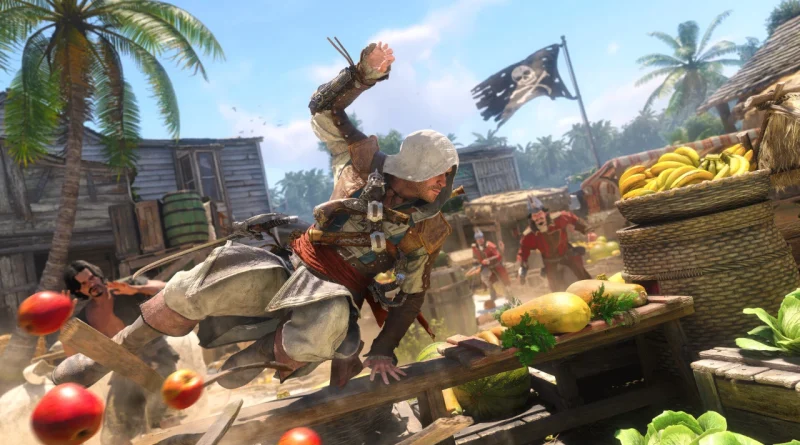
Modder Unlocks All Assassin’s Creed Black Flag Resynced DLC for Free, Gets Immediately Banned from Nexusmods
The gaming community witnessed another clash between modders and corporate interests this week when a determined modder released a tool that unlocked all downloadable content for Assassin’s Creed Black Flag Resynced completely free of charge. The modification, which bypassed Ubisoft’s paywall for premium content, was available on the popular modding platform Nexusmods for only a brief period before administrators removed it and banned the creator. This incident has reignited heated debates about DLC pricing practices, consumer rights, and the boundaries of game modification in the modern gaming landscape.
The Controversial Release and Swift Response
The remake of the beloved 2013 pirate adventure game arrived with a staggering amount of paid additional content, with the total cost of all DLC packages approaching nearly one hundred dollars on top of the base game price. This pricing strategy immediately drew criticism from fans who remembered when such content would typically be included in the original purchase or offered at more modest prices. The anonymous modder, whose identity remains protected, created a simple tool that granted players access to all premium content without payment, effectively eliminating what many considered an excessive monetization scheme.
Nexusmods administrators acted swiftly to remove the modification and permanently ban its creator from the platform. The modding site, which hosts millions of user-created modifications for thousands of games, maintains strict policies against content that facilitates piracy or circumvents legitimate business models. While the platform generally supports creative modifications that enhance gameplay experiences, tools designed specifically to unlock paid content cross a clear line in their terms of service.
The Broader DLC Controversy in Modern Gaming
This incident highlights a growing tension in the video game industry regarding downloadable content and microtransactions. When DLC first emerged in the mid-2000s, it typically consisted of substantial expansions that added meaningful content to games. However, many publishers have since adopted more aggressive monetization strategies, splitting content into numerous smaller packages or locking cosmetic items and gameplay features behind additional paywalls. Ubisoft, in particular, has faced repeated criticism for its approach to additional content across multiple franchises, including the Assassin’s Creed series.
Industry analysts have noted that the total cost of owning a complete modern game with all its DLC can sometimes exceed two hundred dollars, a dramatic increase from the standard sixty-dollar price point that dominated the industry for decades. Consumer advocacy groups argue that this practice preys on dedicated fans who feel compelled to purchase everything to get the full experience. Meanwhile, publishers defend these models as necessary to offset rising development costs and maintain ongoing support for their titles.
The Ethics of Game Modification and Consumer Rebellion
The modding community has long existed in a gray area between creativity and copyright infringement. Most game publishers tolerate or even encourage modifications that add new features, improve graphics, or fix bugs in their products. However, mods that directly impact revenue streams by unlocking paid content represent a fundamentally different category. Legal experts suggest that such modifications could potentially violate both copyright law and computer fraud statutes, putting creators at significant legal risk beyond simple platform bans.
Yet many gamers view these acts of digital rebellion as justified responses to what they perceive as predatory pricing practices. Online forums and social media platforms erupted with discussions following the Nexusmods ban, with opinions sharply divided between those who condemned the modder’s actions as theft and those who celebrated the gesture as consumer resistance. The debate reflects deeper questions about digital ownership, fair pricing, and the evolving relationship between game companies and their customers in an era of always-online services and live-service games.
Expert Opinion: This incident represents a growing flashpoint in the ongoing battle between aggressive monetization strategies and consumer expectations. As publishers continue pushing the boundaries of DLC pricing, we can expect to see more acts of community resistance, though platform enforcement will likely become increasingly sophisticated. The industry would be wise to reconsider pricing models that alienate core audiences, as sustained backlash ultimately damages brand loyalty and long-term revenue potential.