
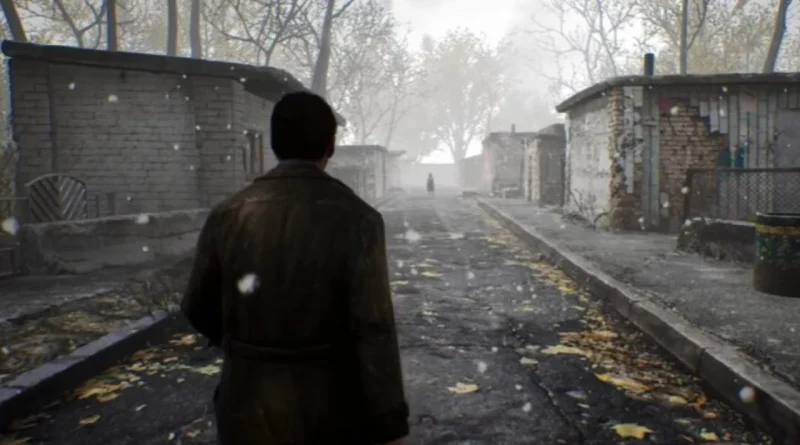
Original Silent Hill 1 Receives Native PC Port Without Emulators
The legendary psychological horror game Silent Hill 1, which has remained trapped on the original PlayStation for over two decades, has finally received a native PC port that allows players to experience the classic title without relying on emulators. This groundbreaking development marks a significant milestone for horror gaming enthusiasts who have long sought a legitimate way to play one of the genre’s most influential titles on modern computer hardware. The port represents years of dedicated work by the gaming preservation community and opens up new possibilities for experiencing this cornerstone of survival horror.
A Quarter Century of PlayStation Exclusivity
Silent Hill originally launched in 1999 as a PlayStation exclusive, developed by Konami’s internal Team Silent. The game was created as Konami’s answer to Capcom’s wildly successful Resident Evil franchise, but it took a dramatically different approach to horror. Rather than relying on jump scares and zombie combat, Silent Hill pioneered psychological horror in video games, using atmosphere, sound design, and disturbing imagery to create an unnerving experience that stayed with players long after they put down the controller. The game follows Harry Mason as he searches for his adopted daughter Cheryl in the mysterious fog-shrouded town of Silent Hill, uncovering dark secrets and facing nightmarish creatures along the way.
For years, PC gamers had no official way to experience the original Silent Hill. While subsequent entries in the franchise received PC releases, the first game remained locked to PlayStation hardware. The infamous Silent Hill HD Collection, released in 2012, included remastered versions of Silent Hill 2 and 3 but notably excluded the original title. This left fans with only two options: hunting down original PlayStation hardware and copies of the game, which have become increasingly expensive collectibles, or using emulators that could produce inconsistent results depending on system configurations.
The Technical Achievement Behind the Port
Creating a native PC port of a PlayStation 1 game is no simple task. The original Silent Hill was built specifically for Sony’s hardware, taking advantage of the console’s unique architecture and capabilities. The PlayStation’s distinctive fog effect, which became an iconic element of Silent Hill’s atmosphere, was originally implemented partly as a technical limitation workaround to reduce draw distance. Preserving these elements while making the game run natively on modern PC hardware required extensive reverse engineering and careful attention to maintaining the original experience. The port needed to handle everything from the game’s complex audio design, which composer Akira Yamaoka crafted to create constant unease, to its pre-rendered backgrounds and real-time 3D character models.
The significance of this port extends beyond mere convenience. Emulation, while valuable for preservation, often introduces subtle differences in timing, audio synchronization, and visual presentation that can alter the intended experience. A native port ensures that players experience Silent Hill exactly as the developers intended, with proper frame pacing, accurate sound reproduction, and stable performance. This is particularly important for a game like Silent Hill, where atmosphere is everything and even minor technical hiccups can break the carefully constructed tension.
Impact on Gaming Preservation and the Horror Genre
The release of this native PC port arrives at a crucial time for video game preservation. As original hardware ages and physical media degrades, countless classic games risk being lost to time. Silent Hill’s influence on the horror genre cannot be overstated. It inspired countless subsequent titles, from the psychological horror elements in games like Amnesia: The Dark Descent to the atmospheric storytelling in modern indie horror games. The series introduced concepts that have become standard in horror gaming, including multiple endings based on player choices, symbolism-heavy narrative design, and the use of industrial and ambient soundscapes to create dread.
For new players discovering Silent Hill for the first time, this port offers an opportunity to understand why the franchise became such a cultural phenomenon. The game’s exploration of themes including guilt, grief, and the nature of reality was groundbreaking for its time and remains compelling today. Meanwhile, longtime fans can revisit the foggy streets of Silent Hill with the convenience of modern PC gaming, potentially discovering new details and appreciating the craftsmanship that made this title a classic.
Expert Opinion: This native PC port represents a significant victory for gaming preservation and sets an important precedent for how classic titles can be brought to modern platforms. As the gaming industry continues to grapple with preserving its history, community-driven efforts like this demonstrate that technical barriers can be overcome with dedication and expertise. We may see similar projects emerge for other PlayStation-era classics that have remained inaccessible to PC audiences for decades.