
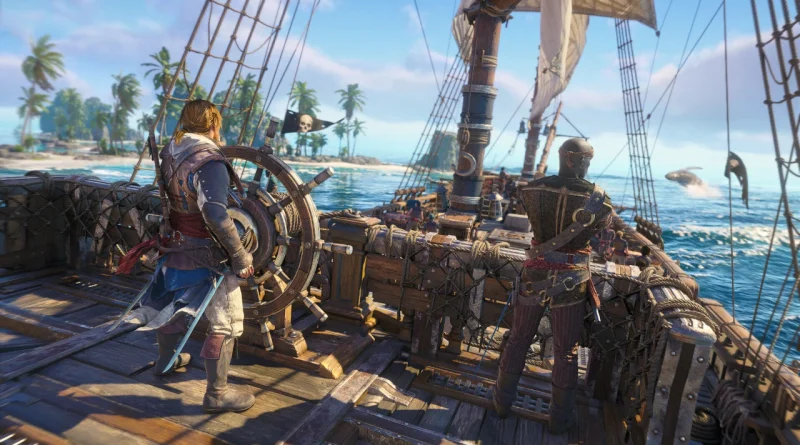
Assassin’s Creed Black Flag Resynced DLC Costs More Than Deluxe Edition, But Ubisoft Stands by Pricing
Ubisoft has found itself at the center of a heated controversy following the announcement of its upcoming remake, Assassin’s Creed Black Flag Resynced. The gaming community has erupted with criticism on Steam after discovering that the additional content and microtransactions associated with the remastered pirate adventure exceed the cost of the game’s deluxe edition itself. Despite the overwhelming negative response, Ubisoft has defended its pricing strategy, claiming that the approach aligns with industry standards and offers players fair value for optional content.
The backlash began when players noticed that purchasing all available downloadable content, cosmetics, and in-game items would require spending significantly more than the premium version of the base game. This pricing model has sparked accusations of predatory monetization practices, with many fans expressing their frustration through negative reviews and social media campaigns. The controversy represents yet another flashpoint in the ongoing debate about the role of microtransactions in full-priced video games.
The Pricing Controversy Explained
At the heart of the controversy lies a stark mathematical reality that has infuriated consumers. While the deluxe edition of Assassin’s Creed Black Flag Resynced carries a premium price tag offering the base game with additional features and early content access, the total cost of all supplementary content available through microtransactions far exceeds this amount. Players have calculated that acquiring every piece of optional content—including character skins, ship customizations, weapons, and time-saving boosts—would cost several times more than the game itself. This pricing structure has been compared unfavorably to free-to-play games, where such aggressive monetization is typically expected but not in full-priced AAA releases.
The original Assassin’s Creed IV: Black Flag, released in 2013, is widely regarded as one of the franchise’s best entries. The game transported players to the Caribbean during the Golden Age of Piracy, following the journey of Edward Kenway as he navigated both the criminal underworld and the ancient conflict between Assassins and Templars. Its open-world naval exploration, engaging combat system, and memorable story earned it critical acclaim and a devoted fanbase. Many of these fans had been eagerly anticipating the remake, only to feel betrayed by what they perceive as excessive monetization.
Ubisoft’s Response and Industry Context
In response to the mounting criticism, Ubisoft issued a statement defending its monetization approach. The company emphasized that all microtransaction content is entirely optional and does not affect core gameplay progression. According to Ubisoft representatives, players can fully enjoy the complete narrative experience and main game features without spending beyond the initial purchase price. The company also pointed to similar pricing models employed across the gaming industry, suggesting that their approach is consistent with contemporary market practices.
However, industry analysts have noted that Ubisoft’s defense may not resonate with consumers who have grown increasingly weary of what they perceive as nickel-and-diming tactics in premium games. The gaming industry has witnessed numerous controversies surrounding microtransactions over the past decade, from EA’s infamous Star Wars Battlefront II loot box scandal to ongoing debates about cosmetic pricing in various franchises. Consumer advocacy groups and gaming communities have become more organized in their resistance to aggressive monetization, and Ubisoft appears to be the latest target of this growing movement.
The Future of Gaming Monetization
This controversy arrives at a particularly sensitive time for Ubisoft, which has faced multiple challenges in recent years including disappointing sales figures for several major releases and internal restructuring efforts. The company has been working to rebuild consumer trust while simultaneously maintaining profitability in an increasingly competitive market. Critics argue that aggressive monetization strategies may provide short-term revenue but ultimately damage brand loyalty and long-term success. As the release date for Assassin’s Creed Black Flag Resynced approaches, all eyes will be on whether Ubisoft adjusts its pricing strategy in response to community feedback or maintains its current course. The outcome could set important precedents for how major publishers approach remake monetization in the future.
Expert Opinion: This controversy reflects a broader industry tension between maximizing revenue and maintaining consumer goodwill. Publishers increasingly view remakes as opportunities for aggressive monetization, but the Steam backlash demonstrates that loyal fanbases have clear limits. Ubisoft may need to reconsider its approach before launch, as the reputational damage from sustained negative publicity could ultimately outweigh the projected microtransaction revenue.