
Best Pirate Games Across All Genres: From Action to Strategy
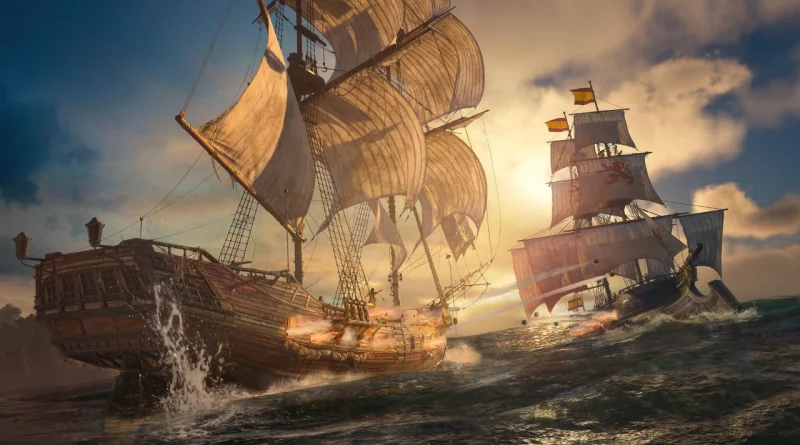
The pirate theme may not dominate the gaming industry, but it has carved out a beloved niche that continues to captivate players worldwide. From swashbuckling adventures on the high seas to strategic naval conquests, games featuring daring buccaneers sailing the Caribbean waters offer some of the most immersive experiences in gaming. The romanticism of pirate life — complete with treasure hunts, ship battles, and the freedom of the open ocean — translates remarkably well into interactive entertainment, allowing players to live out fantasies of becoming legendary sea rovers.
The allure of piracy in popular culture dates back centuries, from the real-life exploits of figures like Blackbeard and Anne Bonny to literary classics such as Robert Louis Stevenson’s “Treasure Island.” This rich historical and fictional foundation has provided game developers with endless inspiration. The Golden Age of Piracy, spanning roughly from 1650 to 1730, saw the Caribbean transform into a hotbed of maritime lawlessness, creating the perfect backdrop for video game adventures that blend history with fantasy.
Action-Adventure Pirates: Assassin’s Creed and Beyond
When discussing pirate games, Assassin’s Creed IV: Black Flag inevitably rises to the top of most lists. Released in 2013 by Ubisoft, this entry in the legendary franchise surprised many by pivoting heavily toward naval gameplay. Players assume the role of Edward Kenway, a Welsh privateer turned pirate who becomes embroiled in the ancient conflict between Assassins and Templars. The game’s seamless blend of on-foot exploration and ship-based combat set a new standard for the genre. The vast open world, featuring historically accurate locations like Havana, Nassau, and Kingston, earned widespread acclaim and sold over 15 million copies worldwide.
The success of Black Flag demonstrated the commercial viability of pirate-themed games, leading Ubisoft to develop Skull and Bones, a multiplayer-focused naval combat experience that finally launched in 2024 after years of development. Meanwhile, the upcoming Assassin’s Creed Shadows and rumors of a Black Flag remake suggest the franchise hasn’t forgotten its seafaring roots. These action-adventure titles excel at capturing the visceral thrill of boarding enemy vessels, engaging in sword fights on rain-soaked decks, and hunting legendary ships across treacherous waters.
Cooperative Multiplayer: Sea of Thieves Revolutionizes the Genre
Rare’s Sea of Thieves, launched in 2018, took a dramatically different approach to pirate gaming by emphasizing cooperative multiplayer experiences. Rather than following a traditional narrative, players create their own stories while sailing with friends, hunting treasure, battling skeleton crews, and occasionally engaging in player-versus-player combat. The game’s distinctive cartoonish art style and emphasis on emergent gameplay has cultivated a dedicated community that continues to grow years after release. Microsoft reports that over 40 million players have tried Sea of Thieves since launch, making it one of the most successful Xbox Game Studios titles.
The game receives regular content updates, including crossover events with franchises like Pirates of the Caribbean, which added Jack Sparrow as a character and introduced story-driven content. This live-service model has kept the community engaged and demonstrated how pirate games can thrive in the modern gaming landscape. The social aspects of coordinating ship management — with players handling sails, steering, cannons, and navigation simultaneously — create memorable moments that solo experiences simply cannot replicate.
Strategic Conquest: Building Pirate Empires
For players who prefer tactical thinking over reflexes, the strategy genre offers compelling pirate experiences. The Port Royale series, spanning four mainline entries, combines city-building mechanics with Caribbean trading and naval warfare. Players establish trade routes, develop colonies, and can choose to pursue either legitimate merchant careers or embrace piracy. Similarly, the Tropico series occasionally incorporates pirate elements, allowing players to rule their island nations with an iron fist while engaging in questionable maritime activities.
Sid Meier’s Pirates!, originally released in 1987 and remastered in 2004, remains a landmark title that influenced countless subsequent games. This sandbox experience let players dance at governor’s balls, duel rival captains, search for buried treasure, and romance governor’s daughters — all while building their pirate reputation. Its blend of mini-games, exploration, and strategic decision-making created a template that modern games continue to follow. The title demonstrated that pirate games could successfully merge multiple gameplay systems into cohesive, addictive experiences.
Indie Gems and Future Horizons
The indie gaming scene has produced several noteworthy pirate titles that deserve attention. Return to Monkey Island, released in 2022, brought back the beloved point-and-click adventure series created by Ron Gilbert. The game’s unique art style initially sparked controversy but ultimately won over fans with its humor, puzzles, and nostalgic callbacks. Meanwhile, games like Windbound and King of Seas offer different takes on the pirate fantasy, from survival crafting to action RPG naval combat.
Looking ahead, the pirate genre shows no signs of sailing into the sunset. With advancing technology enabling more detailed ocean physics, larger ship crews, and more dynamic weather systems, future pirate games promise even more immersive experiences. Whether players seek the adrenaline of close-quarters combat, the satisfaction of strategic empire-building, or the joy of shared adventures with friends, the gaming industry continues to provide compelling reasons to hoist the Jolly Roger and seek fortune on the seven seas.
Expert Opinion: The enduring appeal of pirate games lies in their unique combination of freedom, adventure, and moral ambiguity that few other settings can match. As live-service models continue to dominate and cooperative gaming experiences grow in popularity, we can expect to see more developers exploring this rich thematic territory. The success of Sea of Thieves and the anticipation surrounding Skull and Bones suggest that the pirate genre is entering a new golden age, particularly as players increasingly seek escapist fantasies that transport them far from everyday life.