
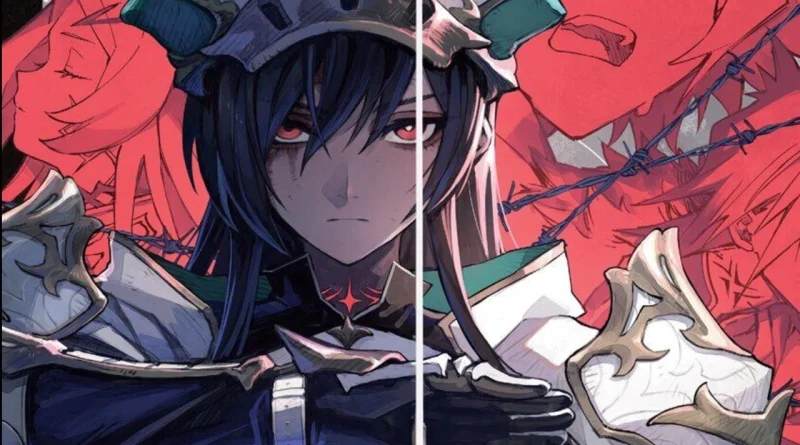
Interview with the Creator and Illustrator of ‘Sentenced to Be a Hero’: Exploring Dark Fantasy and Broken Characters
Origins of a Dark Premise
The dark fantasy genre continues its remarkable ascent in the world of anime, manga, and light novels, captivating audiences who crave narratives that venture beyond traditional heroic tales. Among the recent wave of adaptations that have caught viewers’ attention, ‘Sentenced to Be a Hero: Prison Records of the 9004th Penal Hero Squad’ (Yuusha-kei ni Shosu: Choubatsu Yuusha 9004-tai Keimu Kiroku) has emerged as a standout work, distinguishing itself through its oppressively grim atmosphere, morally compromised characters, and striking visual design. The series has sparked considerable discussion among fans and critics alike, prompting deeper conversations about what makes dark fantasy resonate so powerfully with contemporary audiences.
The creative team behind this compelling work recently sat down for an extensive interview, offering rare insights into their artistic process and the philosophical underpinnings of their creation. The author revealed that the concept originated from a fundamental question: what happens when society’s supposed saviors are themselves criminals, outcasts, and broken individuals forced into heroism not by calling, but by punishment? This premise inverts the classical hero’s journey narrative that has dominated fantasy literature for decades, instead presenting a world where redemption is not guaranteed and heroism is merely another form of servitude. The decision to focus on a penal squad rather than willing heroes allows for exploration of themes rarely addressed in mainstream fantasy entertainment.
Visual Identity and Genre Influences
Dark fantasy as a genre has undergone considerable transformation since it first appeared in the 1970s and 1980s, when writers such as Michael Moorcock and Glen Cook started undermining conventional Tolkienesque fantasy conventions. Within Japanese media particularly, titles like ‘Berserk,’ ‘Claymore,’ and more recent series including ‘Goblin Slayer’ and ‘Chainsaw Man’ have proven the lasting appeal of stories that embrace moral complexity, explicit violence, and protagonists with psychological wounds. The illustrator of ‘Sentenced to Be a Hero’ recognized drawing from this extensive heritage while aiming to produce something visually unique. Their character designs intentionally merge classical fantasy armor components with prison imagery, generating visual depictions of the characters’ dual identity as both fighters and convicted criminals.
Crafting Complex Characters
The series’ method of character development marks a notable shift from traditional anime storytelling. Instead of featuring protagonists who progressively become stronger and more righteous, the 9004th Penal Hero Squad consists of individuals already marked by trauma, moral shortcomings, and social exclusion. The author noted that each character’s backstory was designed to examine various ways people become ‘villains’ in society’s view—some through actual misdeeds, others through circumstances or unfair systems. This sophisticated approach to characterization mirrors wider cultural discussions about criminal justice, rehabilitation, and whether people can genuinely transform. The illustrator mentioned that depicting these intricate psychological conditions visually demanded creating a unique style capable of conveying both the characters’ physical power and their emotional fragility.
Audience Appeal and Cultural Context
Industry analysts have noted that the success of dark fantasy adaptations like ‘Sentenced to Be a Hero’ reflects shifting audience preferences, particularly among younger viewers who grew up during periods of economic uncertainty and social upheaval. These audiences often find traditional heroic narratives—where good always triumphs and protagonists maintain unwavering moral clarity—increasingly difficult to relate to. The appeal of morally gray characters lies in their authenticity; they make mistakes, harbor resentments, and struggle with their own darker impulses in ways that feel more true to the human experience. The creative team acknowledged this connection, noting that they specifically designed their world to reflect the feeling of being trapped within systems that offer no easy answers or clear paths forward.
Bringing the Vision to Screen
The production process for the anime adaptation involved extensive collaboration between the original creators and the animation studio to ensure the source material’s distinctive tone translated effectively to screen. The illustrator worked closely with animation directors to develop color palettes that emphasized the oppressive nature of the series’ world—muted tones punctuated by sharp contrasts during action sequences and moments of emotional intensity. Sound design also played a crucial role, with the creative team insisting on audio choices that enhanced the claustrophobic, tension-filled atmosphere rather than defaulting to typical fantasy adventure scoring. This attention to atmospheric detail has been praised by critics as one of the adaptation’s greatest strengths.
Looking Ahead
Looking toward the future, both the author and illustrator expressed enthusiasm about exploring their world’s mythology more deeply in subsequent volumes and potential future seasons. They hinted at revelations concerning the origins of the penal hero system and the true nature of the threats these condemned warriors face. The author emphasized that while the series embraces darkness, it ultimately grapples with questions of hope and human connection—whether bonds forged in suffering can lead to something meaningful, and whether individuals society has given up on can still find purpose. For fans of dark fantasy seeking narratives that challenge conventions while delivering visceral storytelling, ‘Sentenced to Be a Hero’ represents exactly the kind of ambitious, uncompromising work that continues pushing the genre forward.