
Russian Esports Athletes Barred from Hyundai Virtual Racing Championship
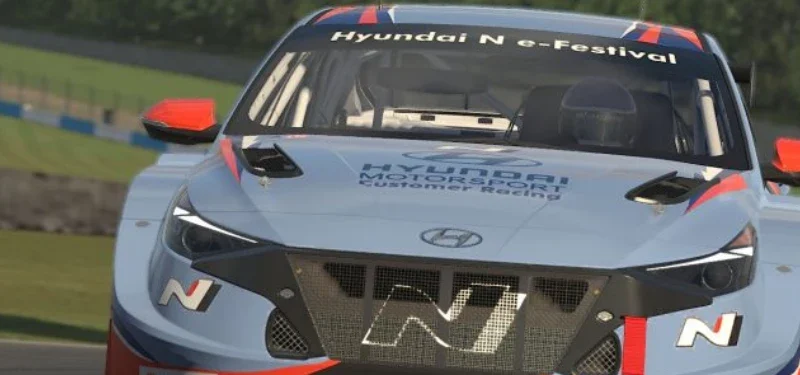
In a development that highlights the ongoing intersection of international politics and competitive gaming, Russian esports athletes Kirill Antonov and Kirill Sokovikov have been suspended from participating in the Hyundai N e-Festival Global League, a prestigious virtual racing championship conducted on the iRacing simulation platform. The decision continues a pattern of restrictions that has affected Russian competitors across virtually all segments of international sports and esports competitions since early 2022.
The Significance of the Hyundai N e-Festival Global League
The Hyundai N e-Festival Global League stands as one of the most prominent manufacturer-supported sim racing competitions globally, drawing professional virtual racers from numerous countries who vie for significant prize money and potential opportunities in real-world motorsport. The iRacing platform, renowned for its outstanding realism and physics simulation, has established itself as the benchmark for professional sim racing and functions as a training resource for actual racing drivers, including competitors in Formula 1, NASCAR, and various GT championships.
Broader Context of International Sports Sanctions
The suspension of Antonov and Sokovikov reflects broader sanctions that have swept through the sporting world following geopolitical tensions. Since February 2022, international sporting federations have implemented widespread bans affecting Russian athletes across numerous disciplines. The International Olympic Committee initially recommended that all international sports federations exclude Russian and Belarusian athletes from their events, a recommendation that has been adopted with varying degrees of strictness across different sports. While some organizations have recently begun allowing Russian athletes to compete under neutral flags, many events continue to enforce complete participation bans.
The esports industry, despite its digital nature and lack of physical borders, has largely followed the lead of traditional sports organizations in implementing these restrictions. Major game publishers and tournament organizers, including Riot Games, Electronic Arts, and various racing game developers, have suspended Russian teams and players from international competitions. This represents a significant shift for an industry that had traditionally prided itself on being borderless and accessible to anyone with an internet connection.
Impact on Athletes and Their Careers
For the affected athletes, these suspensions carry significant career implications. Virtual motorsport has evolved from a hobby into a legitimate professional pathway, with successful sim racers earning six-figure salaries, securing sponsorship deals, and even transitioning to real-world racing seats. The iRacing platform alone hosts numerous professional series with combined prize pools reaching millions of dollars annually. Both Antonov and Sokovikov had established themselves as competitive forces in the Russian sim racing scene, and their exclusion from events like the Hyundai N e-Festival represents a substantial setback to their professional aspirations.
Manufacturer Investment in Esports
The Hyundai N division, which focuses on the Korean automaker’s performance vehicles, has invested heavily in esports as a marketing and talent development tool. The N e-Festival serves multiple purposes for the brand: engaging younger audiences who may not follow traditional motorsport, identifying potential brand ambassadors, and showcasing their performance vehicle lineup in a virtual environment. Manufacturer involvement in sim racing has grown exponentially in recent years, with companies like Ferrari, Porsche, and McLaren all operating official esports programs.
The Debate Over Politics in Competitive Gaming
This situation presents intricate questions regarding the place of politics in competitive gaming. Those critical of the bans contend that individual athletes should not bear responsibility for their governments’ actions, especially in a virtual setting where national representation tends to be symbolic rather than substantive. Proponents argue that upholding these restrictions conveys an important message and that esports cannot operate in a political bubble detached from reality. As the esports industry continues maturing and pursuing mainstream recognition, its approach to geopolitical matters will probably remain subject to ongoing debate and examination.
Moving forward, the future involvement of Russian athletes in international esports competitions remains unclear. Although some sporting organizations have started investigating avenues for neutral participation, the specific policies differ considerably across organizations and events. For the time being, skilled Russian sim racers such as Antonov and Sokovikov must either await policy modifications or pursue alternative competitions that still permit their participation, a difficult prospect within an increasingly interconnected global esports landscape.