
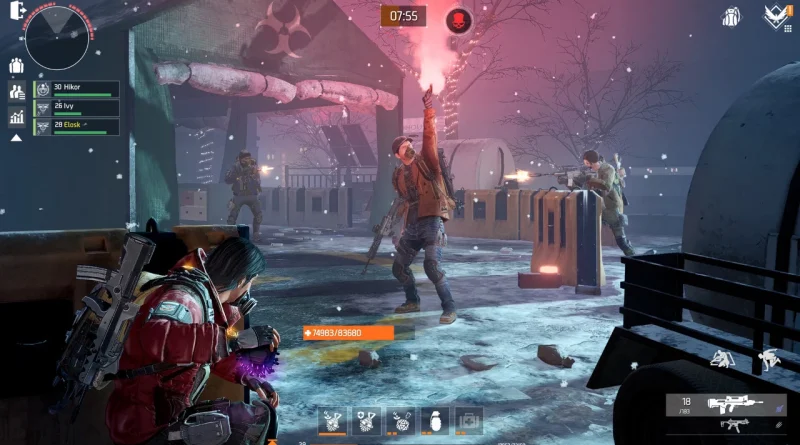
The Division Resurgence Heads to Steam After Disappointing Mobile Performance
Ubisoft’s free-to-play looter-shooter The Division Resurgence is making a strategic pivot toward the PC gaming market after experiencing underwhelming results on mobile platforms. The French gaming giant has announced plans to release the title on Steam, signaling a significant shift in the game’s distribution strategy and potentially breathing new life into a project that failed to capture the mobile gaming audience’s attention.
Originally designed and marketed as a mobile-exclusive experience, The Division Resurgence was Ubisoft’s ambitious attempt to bring the popular Tom Clancy’s The Division franchise to smartphones and tablets. The game promised to deliver the same tactical third-person shooter experience that made the original titles successful on consoles and PC, but optimized for touchscreen controls and on-the-go gaming. However, the mobile gaming market proved to be a challenging battlefield, with players showing limited interest in the title despite the established brand recognition.
The decision to port The Division Resurgence to Steam represents Ubisoft’s acknowledgment of the mobile version’s commercial struggles. The PC gaming community has historically shown stronger engagement with looter-shooter games, particularly those requiring teamwork and tactical gameplay. Titles like Destiny 2, Warframe, and the original Division games have thrived on PC, where players can enjoy more precise controls and longer gaming sessions. By bringing Resurgence to Steam, Ubisoft hopes to tap into this dedicated player base that has already demonstrated loyalty to the franchise.
The Division franchise has a storied history in the gaming industry. The original Tom Clancy’s The Division launched in 2016 and became one of the best-selling games of that year, offering players a unique blend of tactical shooting, RPG elements, and a haunting post-pandemic New York City setting. Its sequel, The Division 2, released in 2019, moved the action to Washington D.C. and continued to build upon the franchise’s foundations with improved gameplay mechanics and endgame content. Both titles have maintained active player communities years after their initial releases.
This strategic shift also reflects broader trends in the gaming industry regarding free-to-play model adaptations. While mobile gaming generates billions in revenue globally, primarily through casual games and established franchises like Genshin Impact, not every genre translates well to the platform. Hardcore looter-shooters require significant time investment, precise controls, and often benefit from voice communication with teammates — elements that are more challenging to deliver on mobile devices. Ubisoft’s experience with Resurgence may serve as a case study for other publishers considering similar mobile expansions of their core franchises.
The move to Steam also comes at an interesting time for Ubisoft, which has faced various challenges in recent years including studio restructuring, delays on major titles, and shifting market dynamics. The company has been exploring various strategies to maintain relevance in an increasingly competitive landscape, including expanding free-to-play offerings and revisiting successful franchises. Bringing The Division Resurgence to PC could help the publisher strengthen its presence on Steam, where competition for player attention remains fierce but opportunities for monetization through cosmetics and seasonal content have proven successful for many titles.
Industry analysts will be watching closely to see whether PC gamers embrace The Division Resurgence or if the title struggles to differentiate itself from its more established predecessors. The game will need to offer compelling reasons for players to invest their time, especially when The Division 2 continues to receive updates and maintains a loyal following. Success on Steam could validate Ubisoft’s strategy of repurposing mobile projects for traditional gaming platforms, while failure might raise questions about the viability of such cross-platform adaptations in the future.