
Marvel 1943: Rise of Hydra Still in Development Despite Studio Shake-Up, But Won’t Launch Before 2027
Fans of Marvel games and narrative-driven action adventures will need to exercise considerable patience, as Marvel 1943: Rise of Hydra remains firmly in development limbo with no release expected before 2027. The highly anticipated title, which promised to blend World War II drama with Marvel superhero action, has faced numerous setbacks including studio restructuring and multiple delays. Despite these challenges, developers have confirmed that the game is not only still being worked on but is actually playable in its current state.
The project has undergone significant organizational changes following the transfer of development responsibilities from Skydance New Media to Paramount Game Studios. This transition came as part of broader corporate restructuring efforts that saw Skydance merge with Paramount Global in a landmark entertainment industry deal. While such studio shuffles often spell doom for in-progress game projects, the team has reassured fans that Marvel 1943 continues to move forward, albeit at a slower pace than originally anticipated.
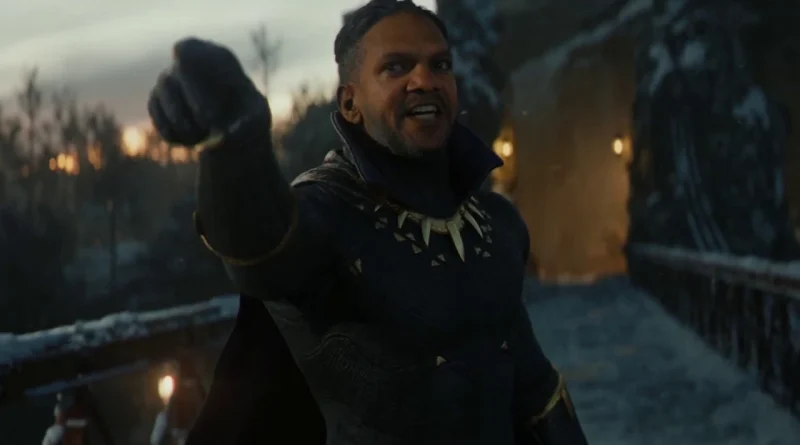
Marvel 1943: Rise of Hydra was first announced to considerable fanfare, promising a unique take on the Marvel universe by setting the action during the height of World War II. The game was set to feature iconic characters including Captain America and Black Panther’s grandfather, Azzuri, as they joined forces to combat the rising threat of Hydra in Nazi-occupied Europe. This historical setting represented a bold departure from typical superhero games, offering players a grittier, more grounded experience while still delivering the spectacle fans expect from Marvel properties.
Skydance New Media, the studio originally behind the project, was founded by Amy Hennig, the legendary game designer known for her work on the Uncharted series and Legacy of Kain. Hennig’s involvement generated significant excitement in the gaming community, as her track record for delivering cinematic, story-driven experiences suggested Marvel 1943 could be something truly special. The studio had positioned itself as a creator of premium narrative adventures, with Marvel 1943 serving as their flagship announcement alongside other high-profile projects.
The delay to 2027 or beyond places Marvel 1943 in an increasingly crowded marketplace for superhero games. In recent years, the genre has experienced a renaissance with titles like Marvel’s Spider-Man, Spider-Man: Miles Morales, and Marvel’s Spider-Man 2 from Insomniac Games setting new standards for what superhero games can achieve. Meanwhile, projects like Marvel’s Wolverine remain in development, while Square Enix’s Guardians of the Galaxy received critical acclaim despite modest sales. The extended development timeline means Marvel 1943 will need to compete not only with these established titles but also with whatever new entries emerge in the intervening years.
The transition to Paramount Game Studios represents both a challenge and an opportunity for the project. While changing development studios mid-project often leads to complications, delays, and sometimes cancellations, it also provides fresh resources and potentially renewed corporate commitment. Paramount’s entry into the gaming space signals the entertainment giant’s recognition of video games as a crucial pillar of modern media franchises. The company’s willingness to absorb ongoing projects like Marvel 1943 suggests confidence in the property’s eventual commercial viability.
Industry analysts note that extended development cycles have become increasingly common in AAA game production, with many high-profile titles taking seven years or more from initial concept to final release. The complexity of modern games, combined with rising player expectations for visual fidelity and gameplay depth, has stretched development timelines considerably. For Marvel 1943, the additional time could ultimately benefit the final product, allowing developers to polish mechanics, expand narrative content, and ensure the game meets the high standards associated with both the Marvel brand and Amy Hennig’s creative legacy.
For now, fans can take solace in the confirmation that Marvel 1943: Rise of Hydra remains an active project with tangible progress being made. The acknowledgment that the game is playable, even in its current incomplete state, suggests that core gameplay systems and narrative elements are in place. While the wait until 2027 or later may test patience, the continued development offers hope that this unique World War II Marvel adventure will eventually reach players’ hands, delivering the cinematic superhero experience that was promised years ago.