
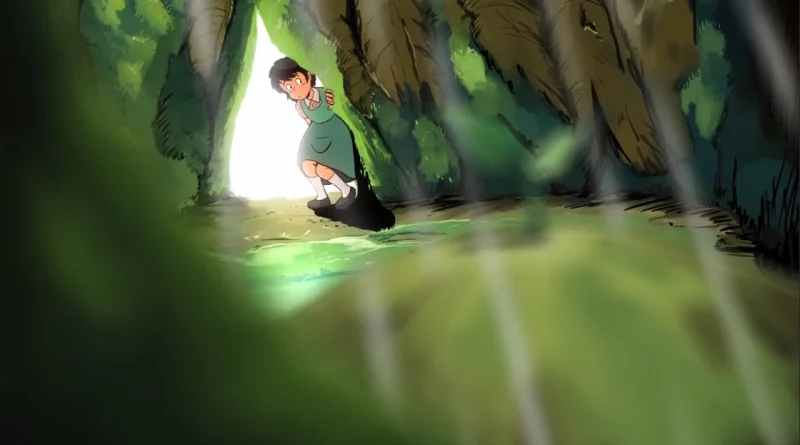
Hand-Drawn Life Simulator Vivarium Resurfaces with 2027 Release Window, Channeling Classic 70s-80s Anime Aesthetic
After two and a half years of silence following its initial announcement, the enchanting life simulation game Vivarium has finally resurfaced with exciting news for fans who have been eagerly awaiting updates. The development team, now operating under the name Meadowflower, has officially partnered with publisher Serenity Forge and confirmed their ambitious target of releasing the game in 2027. This revelation has reignited interest in what promises to be one of the most visually distinctive entries in the life simulation genre.
What sets Vivarium apart from the crowded field of cozy games and life simulators is its stunning hand-drawn art style that pays direct homage to the golden age of Japanese animation from the 1970s and 1980s. Every frame of the game has been meticulously crafted by hand, eschewing modern digital shortcuts in favor of traditional animation techniques that defined classics like “Future Boy Conan,” “Anne of Green Gables,” and the early works of Studio Ghibli. This artistic choice gives Vivarium a warm, nostalgic quality that immediately distinguishes it from contemporaries like Stardew Valley or Animal Crossing.
The life simulation genre has experienced a remarkable renaissance over the past decade, driven largely by the massive success of independent titles that capture the simple pleasures of virtual rural life. Games like Stardew Valley, which has sold over 30 million copies since its 2016 release, demonstrated that there was enormous appetite for experiences focused on farming, community building, and escape from the pressures of modern existence. Vivarium appears positioned to tap into this same market while offering something aesthetically unique that appeals to animation enthusiasts and gaming nostalgists alike.
Serenity Forge, the publisher backing Vivarium, has built a reputation for supporting thoughtful, artistic independent games that prioritize emotional resonance over commercial formula. Their portfolio includes critically acclaimed titles such as “The King’s Bird” and “Where the Water Tastes Like Wine,” suggesting that Vivarium will receive the careful, quality-focused publishing support that such an ambitious artistic project requires. The partnership represents a significant vote of confidence in Meadowflower’s vision and increases the likelihood of a polished final product.
The decision to embrace vintage anime aesthetics reflects a broader trend in gaming and entertainment toward celebrating the distinctive visual styles of previous decades. The 1970s and 1980s represented a transformative period for Japanese animation, when legendary directors like Hayao Miyazaki and Isao Takahata were developing the techniques and storytelling approaches that would later define Studio Ghibli. This era was characterized by fluid hand-drawn animation, painterly backgrounds, and a warmth that many fans argue has been lost in the transition to digital production methods. By deliberately recreating this aesthetic, Vivarium positions itself as both a game and a love letter to animation history.
The extended development timeline, with a release target still two years away, suggests that Meadowflower is committed to achieving their ambitious artistic vision without compromising on quality. Hand-drawn animation is notoriously time-consuming and labor-intensive, requiring artists to create individual frames that flow seamlessly together. For a video game, which demands far more visual content than a feature film, this approach represents an enormous undertaking. The team’s willingness to take the necessary time rather than rushing to market speaks to their dedication to the project’s artistic integrity.
As the gaming industry continues to evolve, projects like Vivarium represent an important counterpoint to the trend toward photorealistic graphics and massive open worlds. By looking backward for inspiration while creating something entirely new, Meadowflower is demonstrating that innovation in gaming doesn’t always mean pushing technical boundaries. Sometimes the most exciting developments come from artists willing to embrace traditional techniques and infuse them with contemporary game design sensibilities. For fans of both classic anime and cozy life simulators, 2027 cannot come soon enough.