
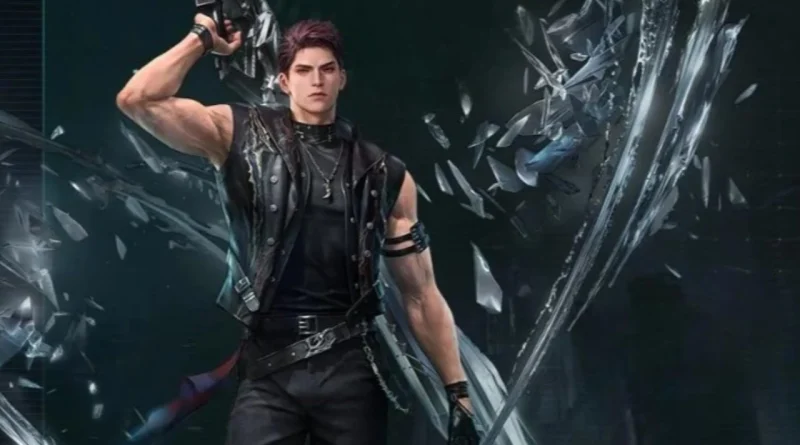
Feminist Controversy Backfires: China’s Ministry of Culture Reportedly Blocks Valko Character in Love and Deepspace
A major controversy surrounding the sixth potential love interest in the popular otome game Love and Deepspace has escalated to the highest levels of government oversight in China, apparently sealing the fate of the werewolf character named Valko. What began as internal community disputes has transformed into a case study of how online activism can produce unintended consequences, with the very groups who initially raised complaints now facing the elimination of content they ultimately wanted to see in the game.
Love and Deepspace, developed by Chinese studio Papergames (known internationally as Infold Games), has become one of the most successful mobile otome games globally since its launch. The game allows players to develop romantic relationships with attractive male characters in a science-fiction setting, combining dating simulation elements with action RPG gameplay. Its stunning 3D graphics and immersive storylines have attracted millions of players worldwide, generating substantial revenue through its gacha monetization system.
The Valko Controversy Unfolds
The character Valko, designed as a werewolf-type figure with a more rugged and wild aesthetic compared to the game’s existing refined male leads, was positioned to become the sixth romance option for players. However, his introduction sparked immediate backlash from certain segments of the Chinese feminist gaming community. Critics argued that the character’s design and personality traits promoted problematic relationship dynamics, with some claiming his aggressive characteristics normalized toxic masculinity in romantic narratives.
The complaints gained traction on Chinese social media platforms including Weibo and Xiaohongshu, where organized groups began filing formal reports with government regulatory bodies. In China, video games fall under strict content oversight by the Ministry of Culture and Tourism, which has the authority to demand modifications or outright ban content deemed inappropriate. This regulatory framework, originally designed to protect consumers and maintain social harmony, became the weapon of choice for those seeking to remove Valko from the game.
Government Intervention and Unexpected Consequences
According to reports circulating within the gaming community, the Ministry of Culture has responded to the flood of complaints by effectively blocking Valko’s implementation in Love and Deepspace. This decision, while satisfying the initial complainants, has created a paradoxical situation that many observers describe as a case of activists being harmed by their own tactics. The same regulatory mechanisms weaponized against unwanted content can just as easily be turned against any future characters or storylines.
The otome game genre, which specifically caters to female audiences seeking romantic fantasy content, now faces increased scrutiny from Chinese regulators. Industry analysts note that this precedent could have chilling effects on creative freedom within the genre, as developers may become increasingly reluctant to introduce complex or edgy characters for fear of regulatory backlash. The irony is not lost on many community members who point out that those who filed complaints wanted more agency over game content but may have instead invited greater government control over the entire medium.
Broader Implications for Gaming Industry
This incident reflects broader tensions within China’s gaming landscape, where regulatory oversight has intensified significantly in recent years. From restrictions on gaming hours for minors to content censorship requirements, Chinese game developers operate within one of the world’s most controlled gaming environments. The Love and Deepspace controversy demonstrates how these regulations can be triggered by organized consumer complaints, creating new dynamics in the relationship between players, developers, and government authorities.
For Papergames, the situation presents both immediate and long-term challenges. The studio must navigate disappointed fans who were eagerly anticipating Valko while also managing the regulatory implications for future character releases. International versions of the game may potentially include content unavailable in China, further fragmenting the player experience across different markets. As the mobile gaming industry continues to evolve, this case will likely be studied as an example of how online activism, government regulation, and creative content can collide with unexpected results.
Expert Opinion: This incident represents a watershed moment for Chinese gaming regulation, demonstrating that crowd-sourced complaints can effectively weaponize government oversight against creative content. The long-term consequence will likely be increased self-censorship among developers and potentially stricter baseline content guidelines for romance-focused games targeting female audiences. Studios operating in China should anticipate that any character sparking controversy could face similar regulatory intervention, fundamentally changing risk calculations for character design and narrative development.