
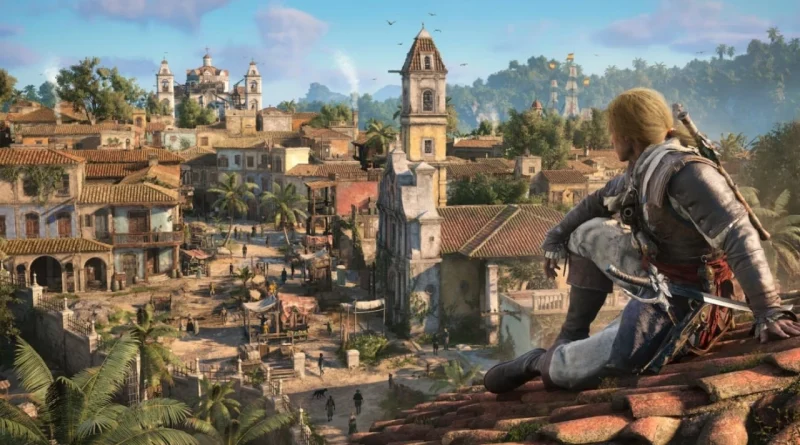
No Optimization in Sight — Only RTX 5090 Delivers 60 FPS at 4K in Assassin’s Creed Black Flag Resynced Despite Mediocre Visuals
The long-awaited release of Assassin’s Creed Black Flag Resynced has finally arrived, bringing with it a wave of disappointment for PC gamers hoping for a polished remaster of the beloved 2013 pirate adventure. Extensive benchmark testing conducted with various graphics cards paired with top-tier gaming processors has revealed a troubling reality: only NVIDIA’s flagship RTX 5090 can maintain a stable 60 frames per second at 4K resolution, and even then, the visual improvements hardly justify the extreme hardware requirements.
Benchmark Results Reveal Severe Performance Issues
The benchmark data paints a grim picture for anyone hoping to enjoy this remaster without investing in the most expensive consumer graphics card available. Testing was performed using high-end gaming CPUs to eliminate any processor bottlenecks, yet mid-range and even upper-tier graphics cards struggled significantly. The RTX 4080 and RTX 4070 Ti, cards that typically handle modern AAA titles with ease, failed to maintain consistent 60 FPS gameplay at 4K resolution. Even at 1440p, performance was inconsistent, with frame drops during intense naval battles and crowded port towns.
The RTX 5090, NVIDIA’s latest flagship retailing for approximately $2,000, emerged as the only viable option for smooth 4K gaming. However, this raises serious questions about the game’s optimization when a card of this caliber is required to run what is essentially an eleven-year-old game with updated textures and lighting. AMD’s offerings fared even worse, with the RX 7900 XTX struggling to compete with NVIDIA’s previous-generation hardware in this particular title.
Visual Quality Fails to Match Hardware Demands
Perhaps more concerning than the raw performance numbers is the disconnect between hardware requirements and actual visual fidelity. Players and reviewers alike have noted that while Black Flag Resynced features improved textures, updated character models, and enhanced lighting effects, the overall presentation falls short of what one might expect from a modern AAA release. The Caribbean waters, once praised for their beauty in the original release, do feature updated reflections and wave physics, but these improvements appear incremental rather than revolutionary.
The original Assassin’s Creed IV: Black Flag was released in 2013 for PlayStation 3, Xbox 360, and PC, with enhanced versions following for PlayStation 4 and Xbox One. The game was celebrated for its open-world Caribbean setting, engaging naval combat, and the charismatic protagonist Edward Kenway. It remains one of the most beloved entries in the franchise, which makes the poor optimization of this remaster particularly disappointing for longtime fans who were eager to revisit the golden age of piracy with modern hardware.
Ubisoft’s Troubled History with PC Optimization
This release continues a troubling pattern for Ubisoft when it comes to PC game optimization. The company has faced criticism multiple times over the past decade for releasing games that demand excessive hardware while delivering subpar performance. Assassin’s Creed Unity’s 2014 launch was marred by severe technical issues, and more recent titles like Assassin’s Creed Mirage and Avatar: Frontiers of Pandora have also faced optimization complaints. Industry analysts suggest that Ubisoft’s development practices, which prioritize console performance and rely heavily on post-launch patches, may be contributing to these recurring issues.
The gaming community has been increasingly vocal about demanding better optimization from major publishers, particularly as hardware costs continue to rise. With graphics cards like the RTX 5090 commanding premium prices and supply chain issues persisting globally, many gamers feel abandoned when games require such extreme specifications. Some industry experts recommend waiting several weeks after launch before purchasing, as day-one patches and subsequent updates often dramatically improve performance. Whether Ubisoft will address Black Flag Resynced’s issues remains to be seen, but history suggests improvements may eventually arrive.
Expert Opinion: This release exemplifies a growing industry problem where remasters are treated as quick revenue opportunities rather than genuine technical achievements. Ubisoft will likely release optimization patches within the coming months that could improve performance by 20-30%, but the initial launch reflects poorly on their quality assurance processes. Gamers should consider waiting for post-launch updates before purchasing, especially those without flagship hardware.