
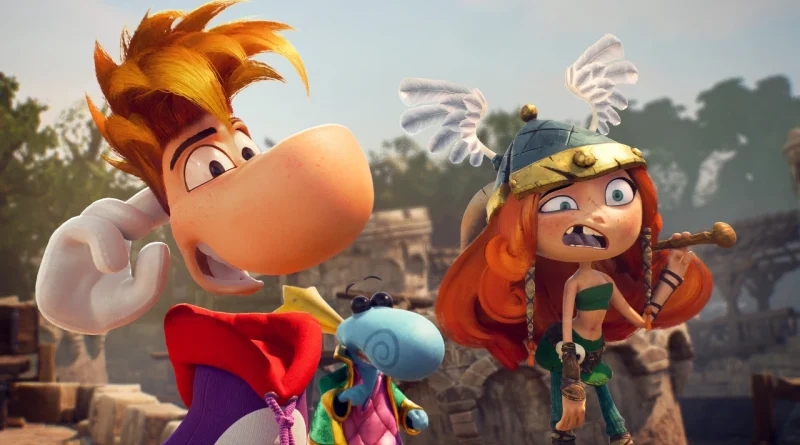
Fan Outrage Over Barbara’s Redesign in Rayman Legends Retold: Censorship Debate Ignites Gaming Community
Barbara’s Transformation Sparks Immediate Backlash
During the June State of Play presentation, Ubisoft officially unveiled Rayman Legends Retold — a complete 3D reimagining of the beloved 2013 platformer that captured the hearts of millions of gamers worldwide. While the announcement generated significant excitement among long-time fans of the franchise, it didn’t take long for controversy to emerge. Sharp-eyed players quickly noticed substantial changes to one of the game’s most popular characters, Barbara the Viking warrior, sparking heated debates about censorship, artistic freedom, and the evolution of character design in modern gaming.
The original Barbara, introduced in Rayman Legends as the first unlockable princess character, became an instant fan favorite with her fierce Viking aesthetic, fiery red hair, and distinctive design that balanced strength with femininity. In the remake, however, Ubisoft has opted for a notably more conservative approach to her appearance. The character’s revealing outfit has been replaced with additional armor coverage, and her overall proportions have been significantly altered. Fans have been particularly vocal about what they perceive as unnecessary modifications to a character whose design was never considered problematic during the original game’s release over a decade ago.
Community Response and the Broader Industry Pattern
The reaction has been rapid and extensive throughout social media channels and gaming communities. Players have voiced their frustration with what they perceive as excessive corporate correction, contending that Barbara’s original design was empowering rather than exploitative. The character was praised for being a competent, combat-ready warrior capable of standing alongside Rayman and his allies. Those critical of the redesign argue that covering up female characters doesn’t inherently make them more progressive — it can occasionally feel regressive, suggesting that strong women cannot also be portrayed as confident in how they look.
This controversy fits into a broader pattern observed across the gaming industry in recent years. Many publishers have been revisiting character designs from older titles when creating remakes or remasters, often choosing to modify outfits and body proportions to align with contemporary sensibilities. Notable examples include changes made to characters in various fighting game franchises, Japanese role-playing games, and action titles. While some players welcome these updates as appropriate modernization, others view them as unnecessary alterations to beloved characters that strip away part of what made them memorable in the first place.
Ubisoft’s Silence and Industry Considerations
Ubisoft has yet to release an official statement responding to the particular concerns regarding Barbara’s redesign. The company has traditionally held that character modifications in remakes reflect both technical enhancements and shifting design approaches. Industry analysts observe that publishers frequently face challenging choices when weighing nostalgia-fueled fan expectations against wider market factors and internal creative directions. The gaming audience has grown increasingly varied, and companies often try to reach broader demographics, occasionally at the expense of alienating segments of their existing fanbase.
The Legacy of Rayman Legends and What’s at Stake
The original Rayman Legends, launched in 2013 across multiple platforms, earned extensive critical praise for its breathtaking art direction, precise gameplay mechanics, and remarkable musical levels that stand as some of the most unforgettable sequences in platforming history. The game included several playable princesses, each featuring distinctive designs drawn from various cultural archetypes, with Barbara’s Viking warrior aesthetic becoming especially beloved. The title sold millions of copies and is frequently referenced as one of the greatest 2D platformers ever made, subjecting any alterations to its forthcoming 3D adaptation to rigorous examination from dedicated fans.
As Rayman Legends Retold continues development, this debate highlights the ongoing tension between preservation and modernization in video game remakes. While technical upgrades and gameplay improvements are generally welcomed, visual changes to established characters remain a sensitive topic that can quickly divide communities. Whether Ubisoft will respond to fan feedback or maintain its current creative direction remains to be seen, but the conversation around Barbara’s redesign has already become one of the most discussed aspects of the game’s announcement, potentially overshadowing the excitement that should accompany the return of one of gaming’s most cherished franchises.