
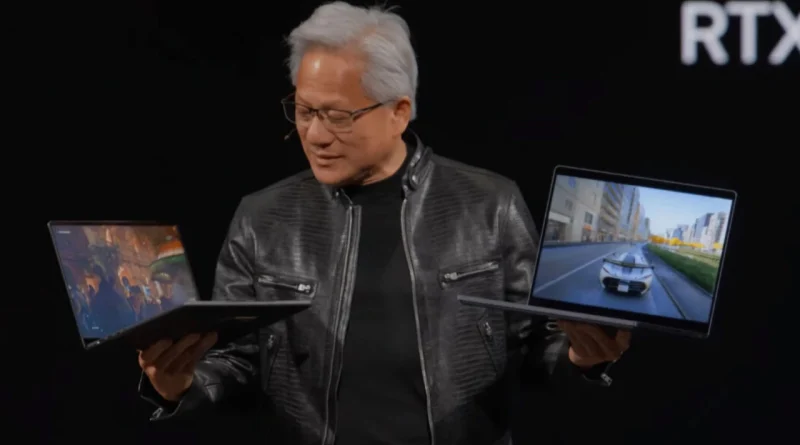
NVIDIA RTX Spark to Feature Native Anti-Cheat Support for Fortnite, Valorant, and PUBG on Windows on Arm
Following the announcement of the powerful RTX Spark processor, NVIDIA and Microsoft have moved swiftly to address one of the most significant barriers to gaming on the Arm architecture — the inability to run popular competitive online games. This collaborative effort marks a pivotal moment in the evolution of Windows on Arm devices, potentially opening the door for millions of gamers who have been locked out of their favorite titles due to anti-cheat compatibility issues.
The Anti-Cheat Compatibility Challenge
The core challenge facing Arm-based Windows devices has always been software compatibility, particularly when it comes to kernel-level anti-cheat systems. Games like Fortnite, Valorant, and PUBG rely on sophisticated anti-cheat software such as Easy Anti-Cheat, Vanguard, and BattlEye, which operate at the deepest levels of the operating system. These systems were originally designed exclusively for x86 architecture, making them fundamentally incompatible with Arm processors without significant engineering work from multiple parties.
The RTX Spark represents NVIDIA’s first dedicated GPU solution specifically optimized for Windows on Arm devices. By working directly with anti-cheat developers and Microsoft, NVIDIA has helped create native Arm64 versions of these protective systems. This is no small feat — anti-cheat software requires intimate knowledge of the underlying hardware architecture to detect memory manipulation, code injection, and other cheating techniques. Adapting these tools for Arm required cooperation between chipmakers, game publishers, and operating system developers at an unprecedented level.
Lessons from Apple’s Arm Transition
Historical context helps explain why this development is so significant. When Apple transitioned its Mac lineup to Arm-based M-series chips in 2020, gaming compatibility became a major pain point. While Apple’s Rosetta 2 translation layer handled many applications admirably, anti-cheat systems proved nearly impossible to emulate properly. This left Mac gamers unable to play many competitive titles, and similar limitations have plagued Windows on Arm devices like the Surface Pro X and various Snapdragon-powered laptops since their introduction.
Microsoft’s contribution to this partnership is of critical importance. The company has been promoting Windows on Arm as a legitimate platform for years, yet gaming has continued to be its weak point. With the launch of Prism, Microsoft’s enhanced x86 emulation layer for Windows 11 on Arm, compatibility with general applications saw significant improvement. Nevertheless, anti-cheat systems intentionally resist emulation to stop cheaters from utilizing virtual machines or altered environments. By enabling direct collaborations between NVIDIA and anti-cheat providers, Microsoft has helped close this remaining gap.
Benefits for Portable Gaming
For the broader gaming industry, native anti-cheat support on Arm opens up exciting possibilities. Arm-based devices typically offer superior battery life and thermal efficiency compared to their x86 counterparts, making them ideal for portable gaming scenarios. Imagine playing Valorant on a fanless, ultra-thin laptop with all-day battery life — a scenario that was previously impossible but may soon become reality. Additionally, as more devices adopt Arm architecture, game developers may begin optimizing their titles natively for the platform, further improving performance.
Technical Implementation Details
The technical implementation involves creating native Arm64 binaries for anti-cheat modules while maintaining the same security guarantees they provide on traditional x86 systems. Easy Anti-Cheat, owned by Epic Games, has been particularly proactive in this space, having already developed Linux and Steam Deck support in recent years. BattlEye, used by PUBG and numerous other titles, has similarly expanded its platform support. Riot Games’ Vanguard system, known for its aggressive kernel-level protection in Valorant, represents perhaps the most complex adaptation due to its deep system integration.
The Future of PC Gaming Architecture
Looking ahead, this development signals a broader shift in the PC gaming landscape. As Qualcomm continues advancing its Snapdragon X Elite processors and NVIDIA enters the Arm space with RTX Spark, the traditional dominance of x86 architecture in gaming PCs may face genuine competition for the first time in decades. For consumers, this means more choices, better efficiency, and potentially new form factors for gaming devices. The announcement represents not just a technical achievement, but a fundamental expansion of what’s possible in PC gaming.