
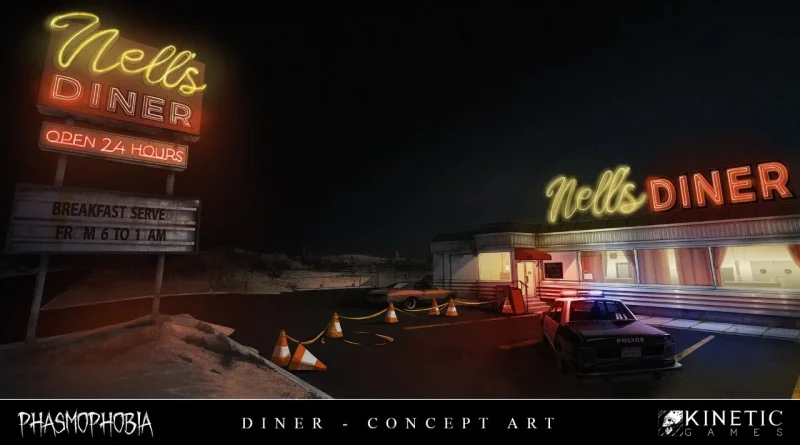
Phasmophobia Reverts Controversial Ghost Mechanics Following Player Backlash
A Major Update Addresses Community Concerns
The development team behind the popular cooperative horror game Phasmophobia has released a significant new update that addresses numerous bugs while also rolling back one of the most contentious changes introduced in the recent major patch. In a candid acknowledgment of community feedback, the developers admitted that the Player Character Update had generated an overwhelming number of complaints from the game’s dedicated player base, prompting them to reconsider their design decisions.
Phasmophobia, developed by indie studio Kinetic Games, has been a remarkable success story in the gaming industry since its early access launch in September 2020. The game tasks players with investigating haunted locations as paranormal investigators, using various ghost-hunting equipment to identify different types of supernatural entities. What sets the game apart is its innovative use of voice recognition technology, where players can actually communicate with ghosts using their microphones, creating genuinely terrifying moments when entities respond to spoken words in the darkness.
What Made the Player Character Update So Controversial
The controversial Player Character Update, which was released earlier this year, introduced sweeping changes to how ghosts behave and interact with players during investigations. While the developers intended these modifications to refresh the gameplay experience and add new challenges for veteran investigators, the community response was decidedly mixed. Many long-time players felt that the changes fundamentally altered the core experience they had come to love, making hunts either too unpredictable or disrupting the careful balance of risk and reward that defined the original ghost encounter mechanics.
The choice to undo these modifications mirrors an increasing pattern in game development where studios place community input first, especially for titles that depend significantly on player involvement and loyalty. Phasmophobia has sustained a robust player community primarily because of Kinetic Games’ ongoing dialogue with supporters and readiness to make adjustments based on their suggestions. The game has sold millions of copies and frequently ranks among the most played games on Steam, particularly during October when enthusiasm for horror games customarily surges.
Bug Fixes and Technical Improvements
In addition to the mechanical reversal, the newest patch contains a comprehensive array of bug fixes tackling numerous technical problems that players have experienced. These span from small visual issues to more substantial concerns impacting gameplay performance. The development team has taken a systematic approach to quality control, pushing out regular updates that showcase their dedication to refining the experience even years following the original release.
The Importance of Community Feedback in Live Service Games
The situation highlights the delicate balance developers must strike when updating live service games with established player bases. While innovation and fresh content are essential for maintaining long-term interest, changes that deviate too dramatically from what made a game successful can alienate the core audience. Other notable examples include games like Destiny 2 and Warframe, where developers have similarly had to walk back unpopular changes after community pushback. This feedback loop has become an integral part of modern game development, particularly for indie studios that rely on passionate communities.
Looking ahead, Kinetic Games continues to develop new content for Phasmophobia, with plans for additional ghost types, maps, and equipment still in the pipeline. The studio has demonstrated remarkable growth since the game’s initial release, transforming from a small passion project into a full-fledged development operation. As the game approaches its eventual full release, emerging from early access status, players can expect continued refinement based on the collaborative relationship between developers and community that has defined Phasmophobia’s journey from the beginning.