
Scaling Challenges: Why Spyro Waited 18 Years for His Return
The beloved purple dragon Spyro is finally preparing to make his grand comeback with a brand new game scheduled for release in early next year. However, the journey to this announcement has been anything but smooth, with the development process facing numerous significant challenges that tested the resolve of everyone involved. For fans who have waited nearly two decades for a proper continuation of the franchise, this news represents the culmination of years of hope, speculation, and passionate community advocacy.
Spyro the Dragon first burst onto the gaming scene in 1998, created by Insomniac Games exclusively for the Sony PlayStation. The character quickly became one of the most recognizable mascots of the late 1990s gaming era, standing alongside iconic figures like Crash Bandicoot and Lara Croft. The original trilogy—Spyro the Dragon, Spyro 2: Ripto’s Rage!, and Spyro: Year of the Dragon—sold millions of copies worldwide and established a devoted fanbase that spans multiple generations. The games were celebrated for their vibrant colorful worlds, accessible yet engaging gameplay, and the charismatic personality of the young dragon protagonist.
A Franchise Lost in the Wilderness
After the original trilogy, Spyro’s journey became increasingly turbulent. The franchise changed hands multiple times, with various developers attempting to capture the magic of the original games with mixed results. Titles like Spyro: Enter the Dragonfly in 2002 were met with disappointing reviews and technical issues that frustrated longtime fans. The character eventually found himself relegated to the Skylanders toys-to-life franchise starting in 2011, where he played a supporting role rather than being the central focus. While Skylanders achieved commercial success, many original Spyro fans felt the character had lost his identity and charm.
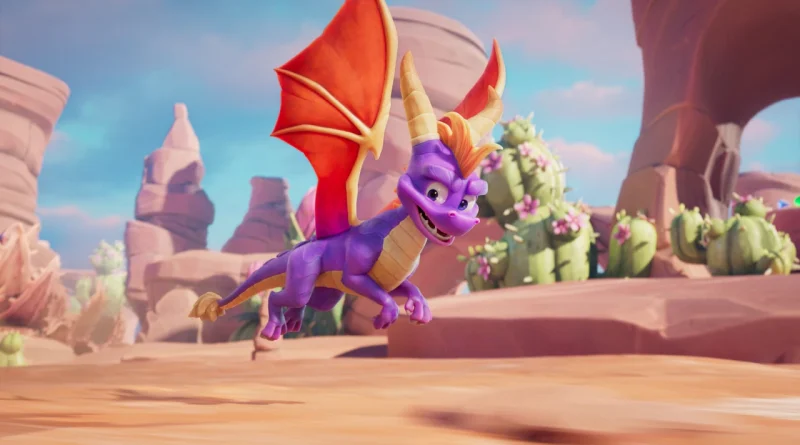
The 2018 release of the Spyro Reignited Trilogy by Toys for Bob brought renewed hope to the community. This comprehensive remaster of the original three games featured stunning updated graphics while preserving the gameplay that made the series beloved. The collection received critical acclaim and strong sales, demonstrating that there was still substantial market demand for the purple dragon. Industry analysts noted that the success of this remaster likely played a crucial role in convincing stakeholders to greenlight a completely new entry in the series.
The Complex Road to Development
Creating a new Spyro game for modern audiences presented developers with unique challenges that explain the lengthy gap between releases. The gaming landscape has transformed dramatically since Spyro’s heyday, with player expectations for graphics, gameplay depth, and content volume reaching unprecedented levels. Balancing nostalgia with innovation required careful consideration—the team needed to honor what made the original games special while introducing fresh elements that would appeal to contemporary gamers. Technical hurdles related to scaling the classic gameplay formula to current-generation hardware also demanded creative solutions and extensive testing.
Financial and corporate considerations further complicated the development timeline. The video game industry has undergone significant consolidation in recent years, with major acquisitions reshuffling intellectual property ownership and development priorities. Spyro, as a property now under the Activision Blizzard umbrella (which itself was acquired by Microsoft), had to navigate these corporate transitions. Development resources, studio assignments, and strategic decisions about the franchise’s future were all affected by these larger industry movements, contributing to delays and restarts that extended the wait for fans.
What the Future Holds
The upcoming Spyro title represents more than just another entry in a long-running series—it symbolizes the enduring power of beloved gaming characters to transcend generations. Early reports suggest the new game will feature expanded open worlds, refined flight mechanics that take advantage of modern hardware capabilities, and a storyline that acknowledges both longtime fans and newcomers. The development team has reportedly conducted extensive community outreach to understand what elements are most important to the fanbase, a strategy that has proven successful for other revived franchises.
As the gaming industry continues to embrace nostalgia while pushing technological boundaries, Spyro’s return serves as a case study in franchise management and the delicate art of revival. The eighteen-year wait may have tested patience, but it also allowed time for technology to advance, for the right creative team to assemble, and for corporate circumstances to align. When the purple dragon finally takes flight again in early next year, he will carry with him the hopes of millions of fans who never stopped believing in his eventual return.
Expert Opinion: The successful revival of dormant gaming franchises like Spyro demonstrates that intellectual property value compounds over time when managed thoughtfully. Industry observers anticipate that if this new Spyro title performs well commercially, it could trigger a broader wave of 3D platformer revivals, potentially bringing back other beloved characters from the late 1990s golden era. The key to success will be whether developers can capture the spirit of the originals while delivering the production values modern audiences expect.