
Star Trek: Voyager – Across the Unknown Sells 100,000 Copies in Just Five Days
The German-developed survival strategy game Star Trek: Voyager – Across the Unknown has achieved remarkable commercial success, selling over 100,000 copies within just five days of its release. This interactive adaptation of the beloved science fiction television series has struck a chord with fans of both the Star Trek franchise and roguelike gaming enthusiasts, demonstrating the enduring appeal of the Voyager crew’s journey through the Delta Quadrant.
Gameplay and Roguelike Mechanics
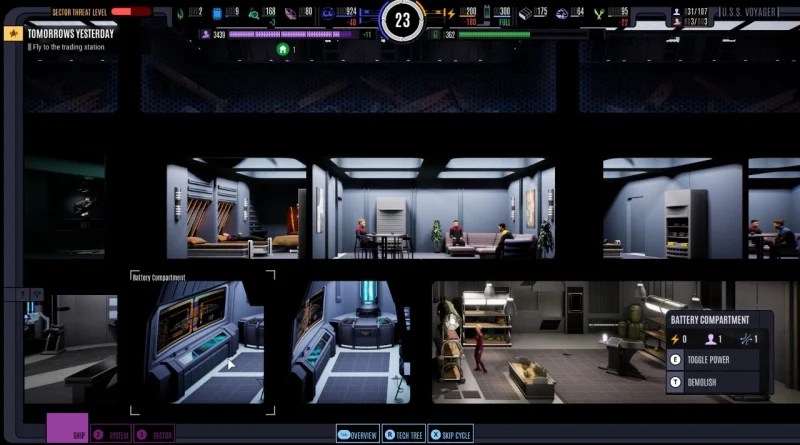
The game, which combines strategic survival mechanics with roguelike elements, puts players in command of the USS Voyager as they navigate the treacherous 70,000 light-year journey back to Federation space. Players must manage resources, make critical decisions, and face the numerous hostile species and cosmic anomalies that made the original series so compelling. The roguelike elements ensure that each playthrough offers a unique experience, with procedurally generated encounters and consequences that can permanently affect the crew and ship.
The Legacy of Star Trek: Voyager
Star Trek: Voyager originally aired from 1995 to 2001, spanning seven seasons and 172 episodes. The series followed Captain Kathryn Janeway and her crew after they were stranded in the distant Delta Quadrant by a powerful alien entity known as the Caretaker. The show introduced memorable characters including the holographic Doctor, the former Borg drone Seven of Nine, and the resourceful engineer B’Elanna Torres. Voyager broke new ground as the first Star Trek series to feature a female captain as the lead character, with Kate Mulgrew’s portrayal of Janeway earning critical acclaim and a devoted fanbase.
Why Voyager Works as a Survival Game
Choosing to adapt Voyager into a survival roguelike format seems like a brilliant move. In contrast to other Star Trek series where crews could depend on Starfleet assistance and known space, Voyager’s concept naturally involves managing resources, making tough decisions, and facing continuous encounters with unfamiliar dangers. This storytelling structure converts seamlessly into game mechanics where each choice carries weight and survival remains uncertain. The German development team evidently recognized that Voyager’s central themes of being stranded, enduring hardship, and maintaining hope despite impossible odds would align perfectly with the roguelike genre.
Star Trek Gaming History and Genre Influences
The Star Trek gaming franchise has a long and varied history, with titles ranging from celebrated classics to disappointing failures. Games like Star Trek: 25th Anniversary and Star Trek Online have found success by faithfully capturing the essence of the franchise, while others have struggled to translate the philosophical and exploratory nature of Star Trek into engaging gameplay. The success of Across the Unknown suggests that developers have found a formula that works, blending the franchise’s rich lore with proven gaming mechanics that keep players engaged through multiple playthroughs.
The roguelike genre has experienced a significant renaissance in recent years, with titles like Hades, Slay the Spire, and FTL: Faster Than Light demonstrating that the format can appeal to mainstream audiences when executed well. FTL in particular serves as an obvious influence for Across the Unknown, as it similarly tasked players with managing a spacecraft and crew through hostile territory. However, the Star Trek license provides a depth of world-building and character recognition that original IPs cannot match, giving the German developers a significant advantage in creating an immediately immersive experience.
A Strong Launch at the Right Time
The 100,000 sales milestone in just five days represents a strong start for what could become a significant entry in the Star Trek gaming catalog. With the franchise currently experiencing renewed interest thanks to multiple streaming series including Strange New Worlds, Lower Decks, and Picard, the timing of this release appears optimal. Fans hungry for more Star Trek content have clearly embraced this interactive interpretation of Captain Janeway’s legendary journey, and the sales figures suggest that the game has successfully captured the spirit of exploration, survival, and hope that defined the original series.