
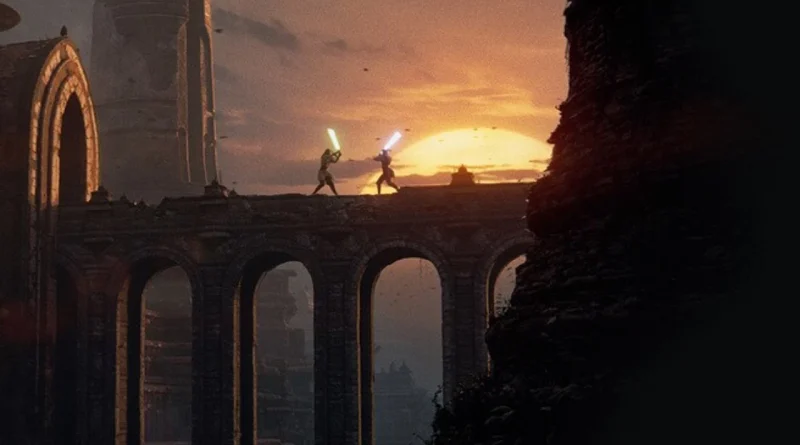
Star Wars Eclipse Still in Development Despite Troubled Waters at Quantic Dream and NetEase’s Growing Regrets
The highly anticipated Star Wars Eclipse project from French developer Quantic Dream remains in active development, despite mounting internal challenges and corporate tensions that have cast a shadow over the studio’s future. The ambitious game, first announced with a stunning cinematic trailer at The Game Awards in December 2021, has become something of a cautionary tale about the complexities of major acquisitions in the gaming industry and the difficulties of managing beloved intellectual properties under pressure.
NetEase’s Growing Frustrations with the Acquisition
NetEase, the Chinese gaming powerhouse that purchased Quantic Dream in 2022, is reportedly suffering from considerable regret regarding the acquisition. According to sources with knowledge of the matter, the parent company has become progressively dissatisfied with the sluggish development of Star Wars Eclipse and the numerous operational difficulties that have beset the French studio following the takeover. The transaction, valued at an undisclosed yet reportedly significant amount, was meant to strengthen NetEase’s foothold in the Western gaming market and capitalize on Quantic Dream’s proficiency in story-focused experiences.
Quantic Dream, founded by David Cage in 1997, built its reputation on pioneering interactive drama games that blurred the line between cinema and gaming. The studio gained international recognition through titles like Heavy Rain, Beyond: Two Souls featuring Ellen Page and Willem Dafoe, and Detroit: Become Human, which collectively sold over 20 million copies worldwide. These games were characterized by their branching narratives, motion capture performances, and emphasis on player choice affecting story outcomes. The studio’s track record made them an attractive partner for Lucasfilm Games when discussions about a Star Wars project began.
Exploring the High Republic Era
Star Wars Eclipse takes place during the High Republic era, a largely untapped period in Star Wars mythology occurring roughly 200 years before the prequel trilogy’s events. Lucasfilm has spotlighted this era through recent novels, comics, and other media, portraying an age when the Jedi Order stood at its peak strength and the Galactic Republic experienced considerable peace and prosperity. The game aims to bring Quantic Dream’s hallmark decision-based gameplay to this vibrant setting, giving players the ability to determine the destinies of multiple characters through an interwoven story spanning the Outer Rim territories.
Development Challenges and Talent Shortages
However, the development journey has been far from smooth. Reports have indicated that Quantic Dream has struggled with hiring experienced developers, particularly those with expertise in creating action-oriented gameplay systems. The studio’s previous projects were primarily focused on narrative mechanics and quick-time events rather than the combat systems that would likely be expected in a Star Wars game. This skills gap has reportedly contributed to the extended development timeline and growing tensions with NetEase leadership, who expected faster returns on their investment.
The broader gaming industry context adds additional pressure to the situation. The past two years have seen unprecedented layoffs across major studios, with companies like Microsoft, Sony, and Electronic Arts cutting thousands of positions. This turbulent environment has made talent acquisition even more challenging for studios like Quantic Dream, which must compete for experienced developers while also managing the expectations of a demanding parent company and the weight of the Star Wars brand. Lucasfilm Games, meanwhile, has expanded its licensing partnerships to include multiple studios working on Star Wars projects, including Ubisoft’s open-world game and Respawn Entertainment’s Jedi series.
Cultural Differences in Development Philosophy
Industry analysts suggest that NetEase’s frustrations may stem partly from cultural and operational differences between Chinese and Western game development approaches. NetEase is accustomed to the faster iteration cycles of mobile and live-service games, while Quantic Dream’s methodology involves lengthy development periods focused on cinematic quality and narrative polish. This fundamental disconnect in development philosophy may have contributed to misaligned expectations from the outset of the acquisition. Despite these challenges, both parties appear committed to seeing Star Wars Eclipse through to completion, though no release window has been publicly announced.
What This Means for Fans
For fans who have been eagerly waiting to experience the High Republic era through interactive entertainment, the confirmation that development persists provides a measure of optimism. Nevertheless, the problematic production stands as a reminder that even the most promising pairings of gifted studios and cherished franchises can encounter unforeseen hurdles. Whether Quantic Dream can surmount its present challenges and create an experience that honors both its own heritage and the Star Wars universe is yet to be determined, but the gaming community will be monitoring closely as this story continues to develop.