
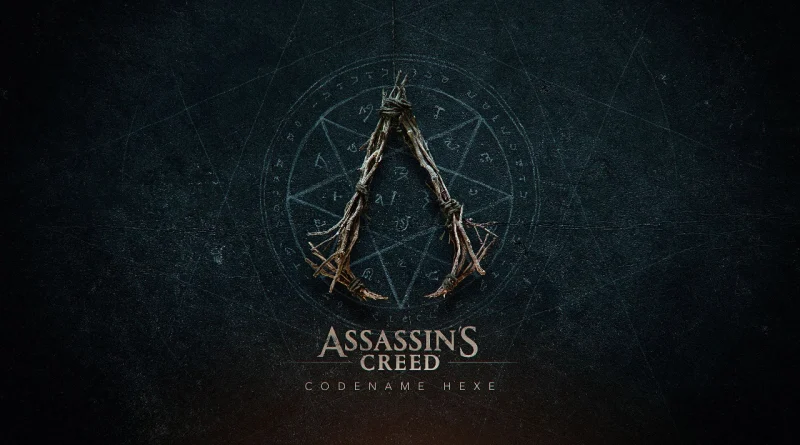
Witch Hunt in the Heart of Europe: Fresh Leaks Reveal Assassin’s Creed Hexe Details
New details have emerged about the highly anticipated Assassin’s Creed Codename Hexe, offering fans a tantalizing glimpse into what Ubisoft has been quietly developing behind closed doors. According to a reliable insider, the upcoming installment in the beloved franchise will transport players to one of history’s darkest chapters: the European witch trials that swept across the continent during the Early Modern period. The game is reportedly being built around a mysterious Gothic cathedral that will serve as a central landmark and narrative focal point, setting the stage for a darker, more atmospheric experience than previous entries in the series.
The leak also confirms that Hexe will feature what insiders describe as “normal parkour,” suggesting a return to the fluid, acrobatic movement systems that defined earlier Assassin’s Creed titles. This news will likely please longtime fans who felt that recent RPG-focused entries like Valhalla and Odyssey moved too far from the franchise’s stealth and parkour roots. The combination of a haunting historical setting and refined movement mechanics could represent a deliberate effort by Ubisoft to recapture the essence of what made the original games so compelling.
The Historical Context of European Witch Hunts
The European witch hunts represent one of the most tragic and misunderstood periods in Western history, spanning roughly from the 15th to the 18th century. During this era, an estimated 40,000 to 60,000 people were executed after being accused of practicing witchcraft, with the vast majority being women. The hysteria was particularly intense in the Holy Roman Empire, which encompassed much of modern-day Germany, Austria, and surrounding regions. Cities like Würzburg, Bamberg, and Cologne became infamous for their brutal persecution campaigns, making this setting a rich but challenging backdrop for a video game narrative.
The choice to center the game around a Gothic cathedral carries significant symbolic weight. These architectural marvels were not merely places of worship but also centers of political power, knowledge, and sometimes persecution during the witch trial era. Cathedrals like those in Cologne, Strasbourg, and Prague served as focal points for religious authority that often drove or legitimized the hunts. For Assassin’s Creed, which has always explored the tension between individual freedom and institutional control, this setting provides fertile ground for storytelling that examines how fear and superstition can be weaponized by those in power.
A Return to Classic Assassin’s Creed Gameplay
The mention of “normal parkour” in the leak has sparked considerable excitement within the gaming community. The original Assassin’s Creed games, particularly Assassin’s Creed II and Brotherhood, were celebrated for their innovative freerunning mechanics that allowed players to seamlessly scale buildings, leap across rooftops, and navigate complex urban environments with remarkable fluidity. However, as the series evolved into more expansive open-world RPGs, the parkour elements became somewhat diminished, replaced by climbing mechanics better suited to natural landscapes and vast wilderness areas.
Industry analysts suggest that Ubisoft may be responding to consistent fan feedback requesting a return to the series’ urban-focused, stealth-oriented roots. The Gothic architecture of medieval European cities would provide an ideal playground for classic parkour mechanics, with towering spires, narrow alleyways, and interconnected rooftops creating natural pathways for an assassin to traverse. This potential design direction could signal a broader strategy at Ubisoft to diversify the Assassin’s Creed lineup, offering different styles of gameplay across various projects to satisfy different segments of their audience.
What This Means for the Future of the Franchise
Assassin’s Creed Codename Hexe was first announced during Ubisoft’s September 2022 showcase as part of the publisher’s broader roadmap for the franchise. The teaser trailer featured ominous imagery including a hanged doll and mysterious symbols, immediately sparking speculation about its witch-hunting theme. Development is reportedly being handled by Ubisoft Montreal, the studio behind many of the franchise’s most acclaimed entries. While no official release date has been announced, industry speculation suggests the game could arrive sometime in 2026 or 2027, following the release of Assassin’s Creed Shadows.
The decision to explore the witch trial period represents a bold creative choice that aligns with the franchise’s tradition of examining pivotal historical moments through the lens of the eternal conflict between Assassins and Templars. Previous games have tackled the Crusades, the Italian Renaissance, the American Revolution, and the Viking Age, among other eras. The witch hunts offer an opportunity to explore themes of persecution, resistance, and the manipulation of public fear—topics that resonate strongly with contemporary audiences while remaining firmly rooted in historical reality.
Expert Opinion: The strategic pivot toward darker, more focused gameplay in Assassin’s Creed Hexe suggests Ubisoft is carefully repositioning the franchise to appeal to both nostalgic fans and newcomers seeking a more atmospheric experience. If executed well, combining the haunting witch trial setting with refined parkour mechanics could establish a new creative direction that reinvigorates the series while honoring its legacy. The key challenge will be handling the sensitive historical subject matter with the nuance and respect it deserves.