
“Bought to Be Shut Down”: Insiders Claim Microsoft Plans to Close Studios Behind South of Midnight and We Happy Few
The gaming industry has been rocked by yet another disturbing rumor emerging from the ResetEra forum, where insiders claim that Microsoft is preparing to shut down Compulsion Games, the studio behind the highly anticipated South of Midnight and the cult classic We Happy Few. According to these sources, the Montreal-based developer may become the latest casualty in what critics are calling a troubling pattern of acquisitions followed by closures within the Xbox ecosystem.
The allegations suggest that Microsoft’s strategy of aggressive studio acquisitions over the past several years may be entering a grim new phase. Industry watchers have noted that the tech giant spent billions of dollars purchasing game development studios, only to seemingly dismantle them shortly after. This pattern has raised serious questions about the company’s commitment to nurturing creative talent and whether these purchases were made with genuine intentions to support game development or simply to eliminate competition.
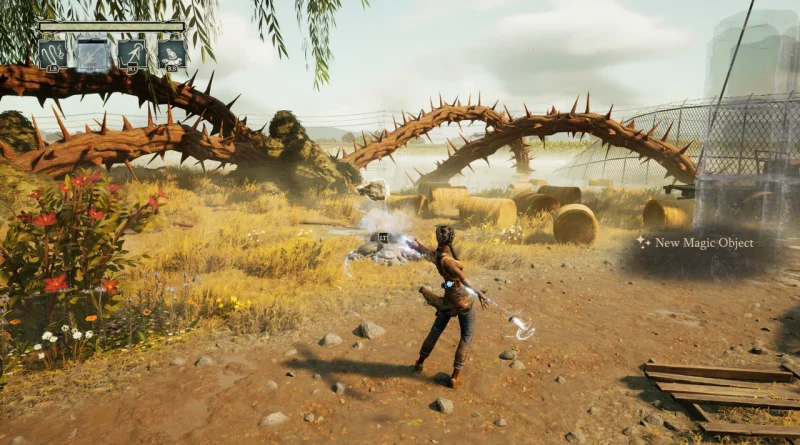
Compulsion Games, founded in 2009, gained significant recognition with their distinctive dystopian survival game We Happy Few, which launched in 2018. The game’s unique retrofuturistic 1960s British setting and its exploration of conformity and drug-induced happiness earned it a dedicated fanbase, despite mixed critical reception. Microsoft acquired the studio in 2018 as part of its broader strategy to bolster Xbox Game Studios with diverse creative voices. The studio has since been working on South of Midnight, an action-adventure game set in the American Deep South featuring folklore and mythology, which was announced to considerable excitement at Xbox showcases.
The timing of these rumors is particularly painful for fans who have been eagerly anticipating South of Midnight. The game has been showcased at multiple Xbox events, with its stunning visual style and unique cultural setting generating substantial buzz within the gaming community. If the closure rumors prove accurate, it would mark another significant blow to Xbox’s first-party lineup and raise further questions about the platform’s ability to deliver exclusive content that can compete with rival Sony’s PlayStation studios.
This potential closure would not occur in isolation. Microsoft has already shuttered several studios in recent years, including the controversial closures of Arkane Austin, Tango Gameworks, and Alpha Dog Games in May 2024. These decisions came shortly after Microsoft completed its historic $69 billion acquisition of Activision Blizzard, leading many to speculate that cost-cutting measures were being implemented to offset the massive expenditure. The closure of Tango Gameworks was particularly shocking given the critical and commercial success of Hi-Fi Rush, which had been released just a year prior to glowing reviews.
Industry analysts have expressed growing concern about the consolidation trend in gaming and its impact on creativity and job security. The video game industry has experienced unprecedented layoffs throughout 2023 and 2024, with tens of thousands of developers losing their positions across major publishers. Microsoft’s approach of acquiring studios only to potentially close them has drawn particular criticism, as it removes independent voices from the marketplace while simultaneously failing to leverage their creative potential. Former employees from closed Xbox studios have described feelings of betrayal and confusion, having believed their positions were secure under the corporate umbrella of one of the world’s wealthiest companies.
Microsoft has not officially commented on the ResetEra rumors, and it’s important to note that forum speculation, even from typically reliable insiders, should be treated with appropriate skepticism until confirmed by official sources. However, the company’s track record has made such rumors increasingly plausible in the eyes of industry observers. The gaming community continues to watch anxiously, hoping that South of Midnight will see release and that Compulsion Games’ talented team will be able to continue their creative work. Whatever the outcome, the situation highlights the precarious nature of employment in the modern gaming industry and the complex relationship between corporate acquisitions and artistic development.
The broader implications of these potential closures extend beyond individual studios to questions about the health of the gaming industry as a whole. As major corporations continue to consolidate power through acquisitions, the space for mid-sized independent studios appears to be shrinking. Many developers now face an impossible choice between remaining independent with limited resources or accepting acquisition deals that may ultimately lead to their dissolution. The coming months will likely reveal whether Microsoft intends to follow through with these rumored closures or if the company will chart a different course in response to mounting criticism of its studio management practices.