
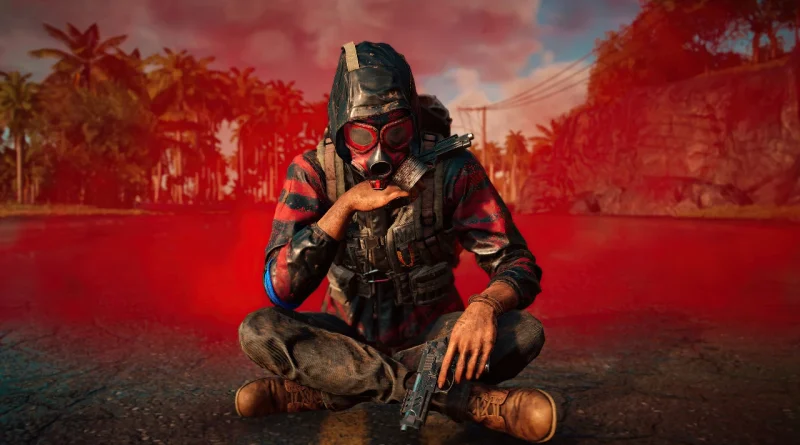
Behind the Scenes Crisis at Ubisoft: Far Cry and Ghost Recon Sequels Face Serious Development Troubles
Recent high-profile announcements of Rayman Legends Retold and Assassin’s Creed Black Flag: Resynced may have created an impression that Ubisoft has finally overcome its prolonged corporate crisis. However, new reports emerging from industry insiders paint a far more troubling picture of the French gaming giant’s internal operations. According to multiple sources familiar with the company’s development pipelines, two of Ubisoft’s most beloved franchises — Far Cry and Ghost Recon — are experiencing significant production difficulties that could further destabilize the publisher’s already precarious position in the gaming market.
The problems reportedly stem from a combination of factors that have plagued Ubisoft for several years: organizational restructuring, creative disagreements among development teams, and the ongoing challenge of meeting modern player expectations while maintaining the company’s traditional open-world formula. Sources indicate that the next installment of Far Cry has undergone multiple creative reboots, with the development team struggling to find a fresh direction that distinguishes the franchise from its increasingly formulaic predecessors. The series, which gained massive popularity with Far Cry 3 in 2012 and its iconic villain Vaas Montenegro, has faced criticism in recent years for repetitive gameplay loops and derivative storytelling.
Ghost Recon, meanwhile, appears to be facing its own set of challenges following the mixed reception of Ghost Recon Breakpoint in 2019. That title launched to disappointing sales and harsh criticism from fans who felt the game had strayed too far from the tactical shooter roots that defined the franchise. Ubisoft’s attempt to course-correct with post-launch updates improved the game significantly, but the damage to the brand was already done. Industry analysts suggest that the next Ghost Recon entry is being developed under intense pressure to recapture the magic of Ghost Recon Wildlands while incorporating lessons learned from Breakpoint’s troubled launch.
Ubisoft’s current predicament reflects broader challenges facing the AAA gaming industry. The company has been the subject of acquisition rumors for over two years, with potential suitors reportedly including Tencent and various private equity firms. In September 2022, the Guillemot family, which founded Ubisoft in 1986, took steps to strengthen their control over the company amid speculation about hostile takeover attempts. The company’s stock price has experienced significant volatility, dropping more than 50% from its peak values during the COVID-19 gaming boom when homebound players drove unprecedented demand for interactive entertainment.
The workplace culture issues that surfaced in 2020 continue to cast a shadow over Ubisoft’s operations. Multiple high-ranking executives departed following allegations of misconduct, and the company pledged sweeping reforms to address systemic problems. However, employee surveys and anonymous testimonials suggest that meaningful cultural change has been slow to materialize. This internal turbulence inevitably affects game development, as experienced talent leaves for competitors and remaining staff navigate an uncertain corporate environment. Several veteran developers who worked on beloved Ubisoft franchises have departed for studios like Massive Entertainment’s competitors or have founded independent studios.
The gaming landscape has evolved dramatically since Ubisoft established its dominance in the open-world genre. Competitors have raised the bar significantly, with titles like Elden Ring demonstrating that players hunger for more innovative approaches to exploration and gameplay. Meanwhile, live-service games have become increasingly competitive, with Ubisoft’s own entries struggling against established titans like Fortnite and newer competitors. The company’s recent decision to revisit classic titles through remakes suggests a strategy of leveraging nostalgia while buying time for troubled new projects to find their footing.
Financial pressures add another layer of complexity to Ubisoft’s situation. The company has implemented cost-cutting measures, including studio closures and layoffs that have affected hundreds of employees globally. These measures, while potentially necessary for short-term financial health, risk undermining the creative capacity needed to deliver the ambitious projects that historically defined Ubisoft’s portfolio. Industry observers note that the company faces a delicate balancing act: reducing expenses while somehow maintaining the quality and innovation required to compete in an increasingly demanding market where players have more entertainment options than ever before.
Looking ahead, Ubisoft’s ability to successfully launch new entries in the Far Cry and Ghost Recon franchises will likely prove crucial to the company’s future trajectory. Both series represent significant revenue potential and carry substantial brand recognition among gaming audiences worldwide. However, the reported development troubles suggest that fans may need to temper their expectations regarding release timelines and final product quality. As the gaming industry continues its rapid evolution, Ubisoft’s next moves will determine whether the company can reclaim its position as a leading publisher or continue its slide toward irrelevance in an increasingly competitive marketplace.