
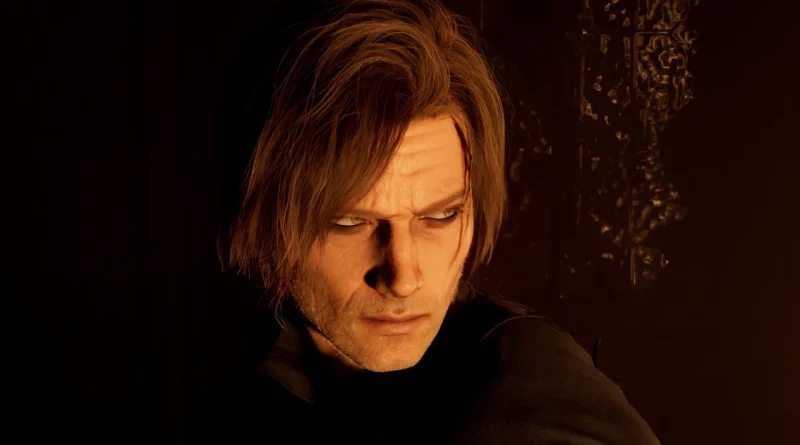
Major Resident Evil Requiem DLC Delayed Not Due to Veronica, But Because ‘Daddy Leon’ Proved Too Popular
The highly anticipated story expansion for Resident Evil Requiem has been pushed back from its original release window, according to multiple industry insiders. While initial speculation pointed to potential conflicts with the upcoming Resident Evil Veronica project, new information suggests the delay stems from an entirely different reason: the overwhelming success and popularity of Leon S. Kennedy’s portrayal in the base game has prompted Capcom to significantly expand the DLC’s scope and content.
Insider Dusk Golem, known for accurate leaks regarding Capcom’s survival horror franchise, first reported the potential delay several weeks ago. This information has now been corroborated by a secondary source who claims to have knowledge of details from a closed-door Resident Evil Veronica conference. According to these reports, Capcom executives were so impressed by the reception of Leon’s character development and the fan community’s enthusiastic response to what many have affectionately dubbed ‘Daddy Leon’ that they made the decision to allocate additional resources and development time to the upcoming expansion.
The Resident Evil franchise has undergone a remarkable renaissance in recent years, with Capcom’s strategy of reimagining classic entries proving enormously successful both critically and commercially. The RE2 Remake in 2019 set the template, followed by RE3 Remake and the critically acclaimed Resident Evil Village. Leon S. Kennedy, who first appeared in the original Resident Evil 2 in 1998, has evolved from a rookie cop thrust into a nightmare scenario to one of gaming’s most beloved action heroes. His character arc across multiple titles, including Resident Evil 4, has cemented his status as a franchise cornerstone alongside other iconic characters like Chris Redfield and Jill Valentine.
The decision to delay the Requiem DLC represents a calculated gamble by Capcom, one that prioritizes quality and fan satisfaction over a rigid release schedule. Industry analysts note that this approach has served the company well in recent years, with the delayed Resident Evil 4 Remake exceeding sales expectations upon its eventual release. The survival horror genre has experienced a significant resurgence, and Capcom clearly intends to capitalize on this momentum by ensuring each release meets the high standards fans have come to expect.
The mention of Resident Evil Veronica in connection with this delay has sparked considerable excitement within the fan community. Code: Veronica, originally released for the Sega Dreamcast in 2000 before being ported to PlayStation 2 as Code: Veronica X, remains one of the few major entries in the franchise that hasn’t received the remake treatment. The game featured both Claire Redfield and Chris Redfield and introduced memorable antagonists like Alfred and Alexia Ashford. A closed conference discussing this project suggests Capcom is seriously evaluating bringing this cult classic to modern audiences, though official announcements remain forthcoming.
What makes this delay particularly interesting is the specific reasoning behind it. The gaming community’s embrace of a more mature, experienced Leon Kennedy demonstrates how character development and fan engagement have become crucial factors in AAA game development. Social media platforms have been flooded with appreciation for Leon’s characterization, with fan art, discussions, and memes celebrating the character reaching unprecedented levels. Capcom’s willingness to respond to this enthusiasm by expanding planned content shows a developer attuned to its audience’s desires, a quality that has become increasingly valuable in the competitive gaming landscape.
While no official release window has been announced for the expanded Requiem DLC, industry observers expect Capcom to provide updates in the coming months. The company has several showcase events planned throughout the year where announcements regarding both the DLC and the Veronica project could potentially be made. For now, fans can take solace in knowing that the delay appears motivated by a desire to deliver a more substantial experience rather than any development troubles. In an industry often criticized for rushing products to market, Capcom’s patient approach to its flagship horror franchise continues to set it apart from competitors.