
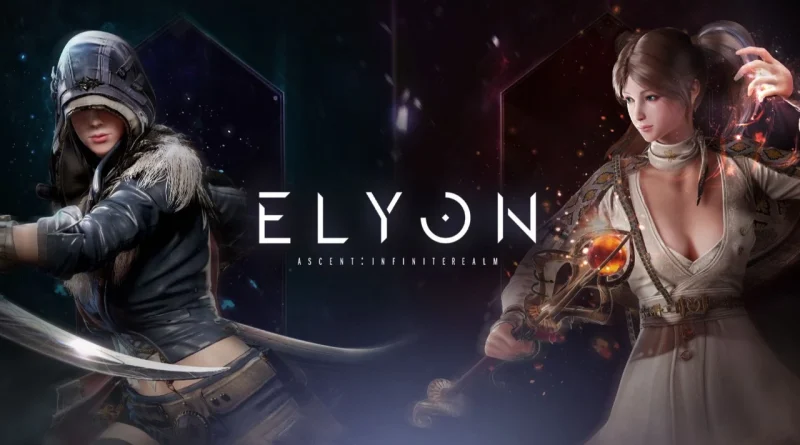
Korean Version of MMORPG Elyon Set to Shut Down Following Global Server Closures
The gaming world has received another sobering reminder of the challenges facing massively multiplayer online role-playing games as Kakao Games has officially announced that the Korean version of Elyon will be shutting down its servers. This announcement comes shortly after news broke that the global version of the MMORPG would be closing its doors in December of this year, marking the complete end of what was once positioned as a promising new entry in the competitive MMORPG market.
From A:IR to Elyon: The Game’s Troubled Development
Elyon, initially created under the name “Ascent: Infinite Realm” or A:IR, was developed by Bluehole Studio, the South Korean game development company also known for creating the hugely popular battle royale title PUBG (PlayerUnknown’s Battlegrounds) and the long-standing MMORPG TERA. The game underwent considerable development transformations prior to its final release, including a full rebranding and major gameplay alterations that redirected its emphasis from aerial combat toward more conventional ground-based MMORPG gameplay.
Industry Trends and the Struggling MMORPG Genre
The closure of Elyon reflects broader industry trends that have seen numerous MMORPGs struggle to maintain sustainable player populations in an increasingly competitive gaming landscape. The genre, which experienced explosive growth in the early 2000s with titles like World of Warcraft, EverQuest, and Lineage, has faced mounting challenges from free-to-play mobile games, battle royale titles, and live service games that compete for players’ time and attention. Many ambitious MMORPG projects have failed to achieve the critical mass of players necessary to justify ongoing server maintenance and content development costs.
Kakao Games, the South Korean publisher responsible for Elyon’s domestic launch, holds an impressive portfolio in the online gaming industry and is probably most recognized internationally as Black Desert Online’s original Korean publisher. The company has encountered its own difficulties in recent years, maneuvering through a quickly changing gaming landscape while trying to maintain equilibrium between existing titles and new projects. The choice to shut down Elyon was likely made following thorough examination of player engagement data, revenue forecasts, and the considerable expenses involved in maintaining an MMORPG with consistent content updates and server infrastructure.
The Impact on Players and Digital Ownership Concerns
For players who dedicated substantial time and money to Elyon, the shutdown announcement stands as a harsh reminder of how temporary online gaming experiences can be. In contrast to single-player games that remain playable decades into the future, MMORPGs only exist while their servers stay running. Once the servers shut down, years of character development, virtual accomplishments, and community memories essentially vanish. This situation has prompted continuing debates among the gaming community regarding digital ownership, game preservation, and what obligations publishers bear toward their player communities when choosing to terminate online services.
The Future of MMORPGs
The MMORPG genre continues to evolve, with some titles finding success through niche appeal or innovative gameplay systems while others struggle to differentiate themselves in a crowded market. Games like Final Fantasy XIV have demonstrated that it is possible to achieve long-term success, even after a troubled launch, through dedicated development and community engagement. Meanwhile, highly anticipated titles like Throne and Liberty and Blue Protocol represent the industry’s continued investment in the genre, though their success remains to be seen in the face of changing player preferences and market conditions.
As Elyon prepares for its final days, both in Korea and globally, it joins a growing list of MMORPGs that have been sunset in recent years, including WildStar, Landmark, and numerous others that failed to achieve lasting success. The closure serves as both a cautionary tale for developers and publishers investing in the genre and a moment of reflection for the gaming community about what makes certain online worlds thrive while others fade away. Players who remain active in Elyon have limited time to experience the game before its servers go offline permanently, closing the chapter on another ambitious but ultimately unsuccessful attempt to capture the magic of the MMORPG experience.