
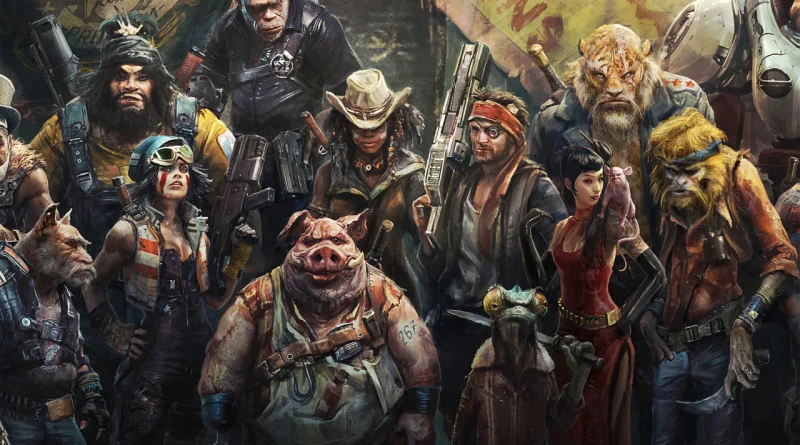
Ubisoft Confirms Beyond Good & Evil 2 Remains in Active Development After Years of Silence
In a surprising turn of events at a recent gaming expo, a Ubisoft representative broke the company’s prolonged silence regarding one of the video game industry’s most notorious development sagas — Beyond Good & Evil 2. The confirmation that the ambitious sequel remains in active development comes after years of speculation, concern, and waning hope from fans who have been waiting for over a decade to see the project come to fruition. This unexpected announcement has reignited discussions about the game’s troubled history and its potential future in an industry that has changed dramatically since the project was first announced.
Beyond Good & Evil 2 was initially unveiled at E3 2017 with a stunning cinematic trailer that captivated audiences worldwide. The original Beyond Good & Evil, released in 2003, became a cult classic despite modest commercial success, earning critical acclaim for its compelling narrative, memorable protagonist Jade, and unique blend of action-adventure gameplay with investigative journalism elements. The sequel promised to expand this universe dramatically, featuring an ambitious open-world space exploration system with seamless planetary transitions and a prequel storyline set generations before the events of the first game. However, what followed the impressive 2017 reveal was years of sporadic updates, followed by concerning silence that left many questioning whether the project would ever see completion.
The development journey of Beyond Good & Evil 2 has been marked by significant challenges and numerous setbacks. Creative director Michel Ancel, the visionary behind the original game and the driving force of the sequel, departed Ubisoft in 2020 to pursue other interests, leaving a considerable leadership vacuum. His exit raised serious concerns about the project’s direction and viability, as Ancel’s creative vision had been central to the game’s identity. Additionally, reports emerged over the years suggesting internal restructuring at the Montpellier studio, budget concerns, and the inherent technical challenges of creating the seamlessly connected universe that the development team had ambitiously promised in their early presentations.
Ubisoft’s recent confirmation also addressed the notable personnel changes that have affected the project over the years. The company explained that while key figures have moved on, the development team remains committed to delivering an experience worthy of the franchise’s legacy. New leadership has been established, and the studio has been working to maintain the core vision while adapting to practical realities of modern game development. This candid acknowledgment of the challenges faced represents a departure from the company’s previous strategy of maintaining near-total silence about the project’s status, which had only fueled speculation and frustration among the dedicated fanbase.
The gaming industry has witnessed several high-profile examples of extended development cycles in recent years, though few have matched the prolonged uncertainty surrounding Beyond Good & Evil 2. Games like Duke Nukem Forever, which spent 15 years in development before its eventual release, and more recently, titles like Dead Island 2, demonstrate that lengthy development periods don’t necessarily doom a project. However, they also serve as cautionary tales about the challenges of maintaining coherent vision and technical relevance over extended timelines. The technology and expectations of gamers evolve rapidly, meaning that games with protracted developments often require significant reworks to remain competitive upon release.
For Ubisoft, the successful completion of Beyond Good & Evil 2 represents more than just honoring a promise to fans — it’s potentially crucial for the company’s reputation during a challenging period. The French publisher has faced numerous difficulties in recent years, including disappointing sales for several major releases, workplace culture controversies, and pressure from investors. Delivering on a long-anticipated sequel could help restore confidence in the company’s ability to create innovative, story-driven experiences that differ from their established open-world formula found in franchises like Assassin’s Creed and Far Cry.
While Ubisoft has confirmed active development status, specific details about release windows, platforms, or current gameplay features remain undisclosed. The company appears to be taking a cautious approach after previous instances where early excitement was followed by extended silence. Industry analysts suggest that any release would likely target next-generation hardware exclusively, given the ambitious scope originally outlined for the project. As fans continue their patient wait, the confirmation at least provides assurance that Beyond Good & Evil 2 hasn’t been quietly cancelled — a fate many had feared during the years of silence. The gaming community now watches with renewed hope, eager to eventually explore the rich universe that was promised years ago.