
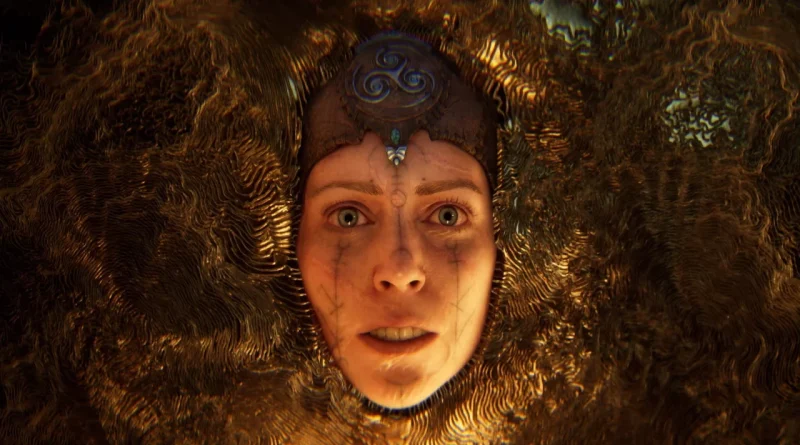
Ninja Theory Unveils ‘Senua’ – A Bold New Chapter Drops the Hellblade Name at Xbox Games Showcase 2025
In what many consider the most unexpected announcement of the Xbox Games Showcase 2025, British developer Ninja Theory has officially revealed the next installment in their critically acclaimed psychological horror series. However, fans were caught off guard when the studio unveiled that the game would simply be titled ‘Senua,’ dropping the iconic ‘Hellblade’ moniker that has defined the franchise since its inception in 2017. This bold rebranding signals a significant evolution in the series’ direction and represents a confident statement from the Microsoft-owned studio about the strength of their protagonist’s identity.
The announcement trailer, which debuted during the showcase, offered glimpses of what appears to be a dramatically expanded scope for the series. While specific plot details remain under wraps, the footage showcased Senua navigating haunting landscapes that blend Celtic and Norse mythology with the character’s internal psychological struggles. The visual fidelity on display suggests Ninja Theory is pushing the boundaries of what’s possible on current-generation hardware, with particular attention paid to facial animation and environmental storytelling that made the previous entries so memorable.
Ninja Theory’s journey with Senua began in 2017 with the release of ‘Hellblade: Senua’s Sacrifice,’ a game that broke new ground in its portrayal of mental health, specifically psychosis. The studio collaborated extensively with neuroscientists, mental health specialists, and people who experience psychosis to create an authentic and respectful representation. The game’s innovative use of binaural audio to simulate auditory hallucinations earned widespread critical acclaim and numerous awards, including five BAFTA Games Awards. This groundbreaking approach established Ninja Theory as pioneers in meaningful, narrative-driven game design that tackles difficult subjects with sensitivity and depth.
The sequel, ‘Senua’s Saga: Hellblade II,’ released in 2024, continued to push technical and narrative boundaries while maintaining the intimate, character-focused storytelling that defined the original. Built on Unreal Engine 5, the game showcased Iceland’s dramatic landscapes and further explored Senua’s journey as she confronted both external threats and her ongoing psychological battles. Critics praised the game’s atmospheric presentation and emotional depth, though some noted its relatively short runtime. The decision to drop ‘Hellblade’ from the new title suggests the studio may be preparing to take the character in an entirely new direction, potentially expanding beyond the specific mythological framework of the previous games.
Industry analysts suggest that the simplified ‘Senua’ title reflects growing confidence in the character’s standalone appeal. Similar to how franchises like ‘Tomb Raider’ eventually dropped subtitle conventions in favor of character recognition, Ninja Theory appears to be betting that Senua has become iconic enough to carry a game on name alone. This strategy also aligns with broader trends in the gaming industry, where character-driven narratives increasingly take precedence over franchise branding. The move could also indicate plans for expanded multimedia presence, as simpler titles often translate better across different entertainment platforms.
Since Microsoft’s acquisition of Ninja Theory in 2018, the Cambridge-based studio has operated with significant creative freedom while benefiting from the resources of one of gaming’s largest publishers. This partnership has allowed the team to maintain their artistic vision while tackling more ambitious projects. The studio, founded in 2000 and originally known as Just Add Monsters, has a storied history of creating character-action games including ‘Heavenly Sword’ and ‘DmC: Devil May Cry.’ However, it was their pivot to smaller, more focused experiences with the original Hellblade that truly defined their modern identity and established the formula they continue to refine.
The gaming community’s response to the announcement has been overwhelmingly positive, with fans expressing excitement about returning to Senua’s world while speculating about what the title change might mean for the narrative direction. Many players have noted their appreciation for Ninja Theory’s continued commitment to mental health representation, with the studio having donated a portion of proceeds from the original game to mental health charities. As the industry continues to evolve, the ‘Senua’ announcement represents both a celebration of how far narrative-driven games have come and a promise of the innovative experiences yet to come from one of gaming’s most thoughtful development teams.