
Ninja Theory Officially Cancels Photorealistic Horror Project Mara to Focus on New Senua Game
British game development studio Ninja Theory has officially confirmed what industry insiders have been whispering about for months — the ambitious experimental psychological horror game Project Mara has been completely cancelled and is no longer in development. The announcement marks a significant shift in the studio’s direction, as they pivot their resources toward a new project centered around their flagship character, Senua, the Celtic warrior whose story captivated millions of players worldwide.
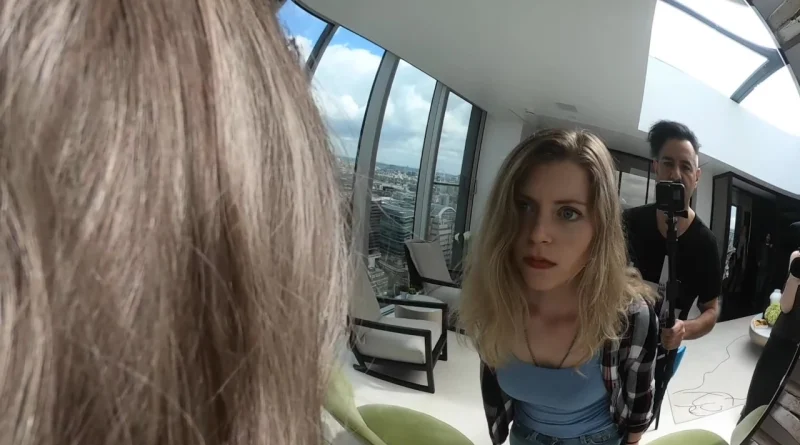
Project Mara was first announced in early 2020 as a groundbreaking experiment in creating photorealistic horror experiences. The game was designed to take place entirely within a single apartment, using cutting-edge graphics technology and motion capture to create an unprecedented level of visual fidelity. Ninja Theory described it as an attempt to recreate the experience of mental terror in the most realistic way possible, drawing from real-world accounts of psychological distress and mental health episodes. The studio released several impressive technical demonstrations showcasing incredibly lifelike character models and environments that blurred the line between video games and reality.
The cancellation represents a notable loss for the gaming industry, which has seen few developers attempt such technically ambitious projects focused on psychological realism. Ninja Theory had partnered with mental health professionals and researchers to ensure the game’s portrayal of psychological horror would be both authentic and responsible. The studio’s commitment to accurate mental health representation was previously demonstrated in their critically acclaimed Hellblade: Senua’s Sacrifice, which won numerous awards for its depiction of psychosis and received praise from mental health organizations worldwide.
Ninja Theory’s decision to redirect resources toward a new Senua project comes as no surprise to industry analysts. The original Hellblade, released in 2017, became a surprise hit that established Ninja Theory as a studio capable of delivering emotionally powerful narratives combined with visceral combat gameplay. The sequel, Senua’s Saga: Hellblade II, launched in May 2024 exclusively for Xbox Series X|S and PC, showcasing stunning visuals powered by Unreal Engine 5 and further cementing the franchise’s reputation for technical excellence and emotional depth.
The studio’s history stretches back to 2000, originally founded as Just Add Monsters before rebranding to Ninja Theory in 2003. Over the years, they developed several notable titles including Heavenly Sword, Enslaved: Odyssey to the West, and the controversial but commercially successful DmC: Devil May Cry reboot. Microsoft acquired the Cambridge-based studio in 2018 as part of their aggressive expansion of Xbox Game Studios, providing the team with greater resources and financial security to pursue ambitious projects. However, the acquisition also meant increased pressure to deliver commercially viable products that align with Microsoft’s broader gaming strategy.
The news arrives during a turbulent period for the gaming industry, which has witnessed unprecedented layoffs and project cancellations throughout 2024 and into 2025. Major publishers have scaled back ambitious projects in favor of proven franchises and established intellectual properties that guarantee return on investment. For Ninja Theory, the Senua franchise represents their most recognizable and critically acclaimed work, making it a logical choice for continued development in an uncertain market. The decision to abandon Project Mara, despite years of development and technological investment, suggests that even well-funded studios under major publishers must make difficult choices about resource allocation.
While details about the new Senua project remain scarce, fans and industry observers are speculating about what form it might take. Whether it will be a direct sequel continuing Senua’s mythological journey, a spin-off exploring different aspects of Celtic lore, or perhaps an entirely new genre experiment remains to be seen. What is clear is that Ninja Theory believes the future of their studio lies with the character who brought them mainstream recognition and critical acclaim. For supporters who were eagerly anticipating Project Mara’s unique approach to horror gaming, the cancellation represents a disappointing end to what promised to be a groundbreaking experiment in interactive storytelling and psychological immersion.