
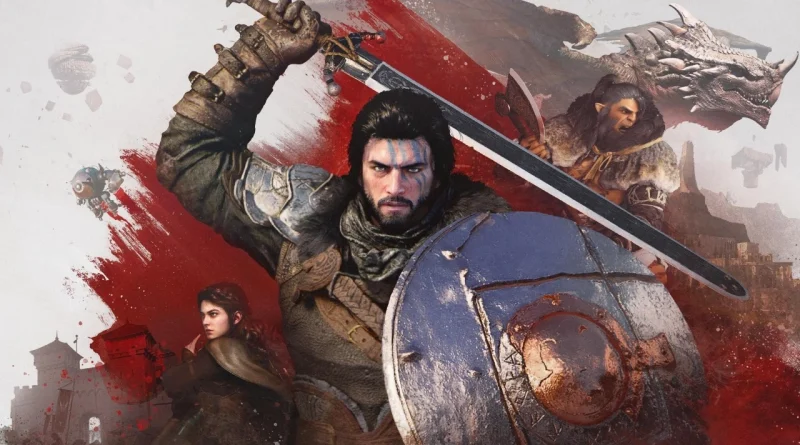
Crimson Desert Surpasses 6 Million Copies Sold, Signaling Massive Success for Pearl Abyss
South Korean game developer Pearl Abyss has announced a remarkable milestone for its latest release, Crimson Desert, which has now sold over six million copies worldwide. The open-world action-adventure game has captured the attention of gamers across the globe, establishing itself as one of the most successful launches in recent memory for the studio. Industry analysts suggest this is just the beginning, with sales projections indicating significant growth potential as the game continues to gain momentum in key markets.
The achievement is particularly noteworthy given Pearl Abyss’s relatively focused portfolio compared to larger gaming conglomerates. The company, founded in 2010, first gained international recognition with Black Desert Online, a massively multiplayer online role-playing game that has accumulated over 50 million registered players since its 2014 Korean release. Crimson Desert was initially conceived as a prequel to Black Desert but evolved into a standalone single-player experience with its own distinct identity and narrative focus.
The development journey for Crimson Desert has been anything but straightforward. First revealed at The Game Awards in 2020, the project underwent multiple delays and significant creative shifts over the years. Pearl Abyss made the strategic decision to pivot from a primarily multiplayer-focused experience to a more narrative-driven single-player adventure, a move that appears to have resonated strongly with the gaming community. This shift reflects a broader industry trend where players increasingly value rich storytelling and immersive solo experiences alongside traditional multiplayer offerings.
Set in a harsh, war-torn fantasy world, Crimson Desert follows the story of Macduff, the leader of a band of mercenaries navigating political intrigue and brutal conflicts. The game combines intense combat mechanics with exploration across diverse landscapes, from snow-capped mountains to sun-scorched deserts. Critics and players alike have praised the game’s stunning visual fidelity, made possible by Pearl Abyss’s proprietary game engine, which has been continuously refined since its debut in Black Desert Online.
The six million sales figure places Crimson Desert among the elite tier of recent game launches, though it still trails behind industry juggernauts like Elden Ring, which sold 12 million copies in its first month alone. However, context matters significantly here—Pearl Abyss operates with considerably fewer resources than FromSoftware’s partnership with Bandai Namco, making this achievement all the more impressive. The success demonstrates that mid-sized studios can compete effectively in the AAA space when they deliver polished, ambitious products.
South Korea’s gaming industry has experienced a remarkable transformation over the past two decades. Once primarily known for free-to-play online games and mobile titles, Korean developers are increasingly making their mark in the premium console and PC gaming space. Companies like Krafton, developer of PUBG, and now Pearl Abyss are proving that Korean studios can create globally competitive products that rival Western and Japanese offerings. This shift represents a significant evolution in the country’s gaming ecosystem and its position in the international market.
Looking ahead, Pearl Abyss has indicated plans to support Crimson Desert with post-launch content, though specific details remain under wraps. The company’s financial reports suggest substantial investment in expanding the game’s universe, potentially including downloadable content and expansions that could extend the player experience significantly. With six million copies already in players’ hands and word-of-mouth continuing to spread, industry observers believe Crimson Desert could eventually surpass ten million sales, cementing Pearl Abyss’s position as a major force in the global gaming landscape. The success also bodes well for the Korean gaming industry as a whole, demonstrating that the region’s developers can successfully compete at the highest levels of game development and publishing.