
“Everything Went Wrong”: Capcom Forced to Restart Resident Evil 0 Remake Development from Scratch
In a surprising turn of events that has sent ripples through the gaming community, Capcom has reportedly been forced to completely restart development on its highly anticipated Resident Evil 0 remake. The revelation came alongside the company’s official announcement at Summer Game Fest 2026, where they unveiled Resident Evil Veronica with a planned release window of 2027. Industry insiders suggest that significant internal challenges forced the Japanese gaming giant to essentially scrap years of work on the prequel remake and begin the project anew.
The news has left fans of the long-running survival horror franchise in a state of mixed emotions. While the announcement of Resident Evil Veronica—a remake of the beloved Code: Veronica title originally released in 2000—generated considerable excitement, the behind-the-scenes troubles with Resident Evil 0 have raised questions about the future direction of Capcom’s remake strategy. Sources close to the development team have indicated that fundamental design decisions made early in the RE0 remake’s production created cascading problems that ultimately proved insurmountable without a complete overhaul.
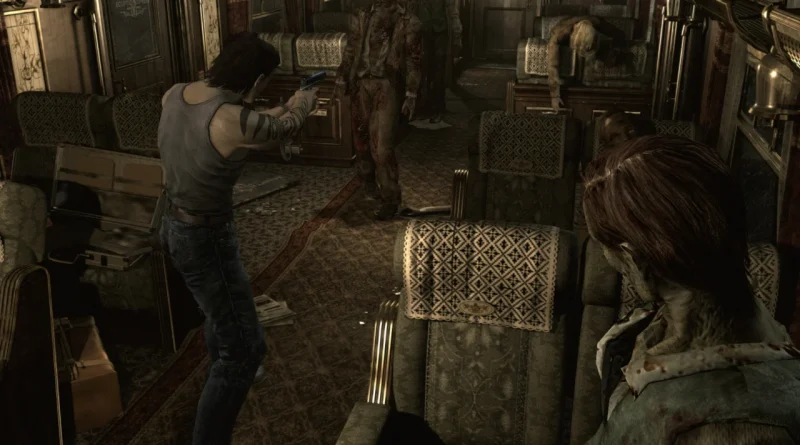
Resident Evil 0, originally released in 2002 for the Nintendo GameCube, serves as a prequel to the events of the first Resident Evil game. The title introduced unique gameplay mechanics, most notably the “partner zapping” system that allowed players to switch between protagonists Rebecca Chambers and Billy Coen in real-time. This innovative feature, while praised for adding strategic depth, also presented significant challenges in terms of AI behavior and level design. Industry analysts speculate that modernizing this dual-character system for contemporary gaming standards may have been at the heart of the development difficulties, as creating seamless cooperative mechanics while maintaining the tension inherent to survival horror requires an extremely delicate balance.
Capcom’s recent track record with Resident Evil remakes has been nothing short of phenomenal. The 2019 remake of Resident Evil 2 was met with universal acclaim, selling over 13 million copies worldwide and winning numerous Game of the Year awards. This was followed by the equally successful Resident Evil 3 remake in 2020 and the groundbreaking Resident Evil 4 remake in 2023, which many critics hailed as one of the greatest remakes ever produced. These successes have set extraordinarily high expectations for future entries in the remake series, creating immense pressure on development teams to deliver experiences that honor the originals while feeling fresh and modern.
The decision to announce Resident Evil Veronica before completing the RE0 remake represents a notable departure from what many fans expected. Code: Veronica holds a special place in the hearts of longtime series enthusiasts, featuring Claire Redfield’s continued search for her brother Chris and introducing the memorable antagonist Alfred Ashford. The game originally pushed technical boundaries on the Sega Dreamcast before receiving enhanced ports on PlayStation 2 and GameCube. Its gothic aesthetic, sprawling environments, and emotionally charged narrative made it a fan favorite, though it has remained conspicuously absent from Capcom’s modern remake initiatives until now.
Gaming industry veterans have weighed in on the situation, with many expressing understanding for Capcom’s predicament. Development restarts, while costly and time-consuming, are not uncommon in the AAA gaming space. Notable examples include the complete overhaul of Final Fantasy XV after years in development as Final Fantasy Versus XIII, and the reported restart of Metroid Prime 4 by Nintendo in 2019. These situations often result from evolving technical requirements, shifting market expectations, or fundamental creative differences within development teams. What sets Capcom’s situation apart is the company’s remarkable transparency in acknowledging the challenges, a move that some analysts believe may actually strengthen consumer trust in the long run.
The 2027 release window for Resident Evil Veronica suggests that Capcom is taking a measured approach to its remake pipeline, likely incorporating lessons learned from the RE0 setback. The company has not officially commented on when—or if—the Resident Evil 0 remake will eventually see the light of day following its restart. However, given Capcom’s demonstrated commitment to the franchise and the commercial viability of the remake series, most industry observers remain confident that both projects will ultimately reach completion. For now, fans are left to speculate about what exactly went wrong with RE0 while simultaneously building anticipation for Claire Redfield’s return to Rockfort Island in what promises to be another landmark entry in the survival horror genre.
As the gaming community processes this news, one thing remains clear: Capcom’s Resident Evil franchise continues to be one of the most valuable and carefully managed properties in the industry. The company’s willingness to restart a major project rather than release a substandard product speaks to their commitment to quality—a philosophy that has defined the recent renaissance of the series. Whether the delay and restart of Resident Evil 0 will ultimately prove to be a minor setback or a more significant disruption to Capcom’s plans remains to be seen, but the announcement of Resident Evil Veronica has given fans plenty of reasons to remain optimistic about the future of survival horror gaming.