
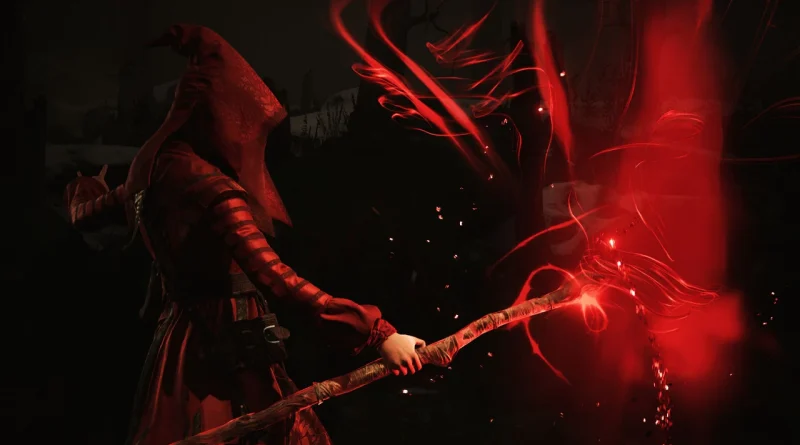
Accidental AI Content in 1666: Amsterdam Demo Prompts Apology from Assassin’s Creed Creator Patrice Désilets
Panache Digital Games, the independent studio led by legendary game designer Patrice Désilets, has issued a formal apology after AI-generated content was discovered in the demo version of their upcoming action game 1666: Amsterdam. The studio has committed to removing all artificial intelligence-generated materials from the prologue demonstration, addressing concerns raised by players and industry observers who detected the controversial content shortly after the demo’s release.
Désilets, widely recognized as the creative mind behind the original Assassin’s Creed franchise that revolutionized open-world gaming, founded Panache Digital Games in 2014 after a tumultuous departure from Ubisoft. The studio’s flagship project, 1666: Amsterdam, has been in development for over a decade, having survived legal battles between Désilets and his former employer over intellectual property rights. The game promises to deliver a unique historical action experience set during the Dutch Golden Age, exploring themes of supernatural conflict and religious tension in 17th-century Netherlands.
The discovery of AI-generated content in the demo sparked immediate backlash from the gaming community, which has grown increasingly vigilant about the use of generative AI tools in game development. Critics argue that such technology undermines the work of human artists, writers, and designers who have traditionally crafted every element of video game experiences. The controversy is particularly striking given Désilets’ reputation as a champion of creative vision and artistic integrity in game design, values he has consistently advocated for throughout his career spanning over two decades in the industry.
According to the studio’s statement, the inclusion of AI-generated materials was unintentional and resulted from an oversight during the development process. Panache Digital Games emphasized that the error does not reflect their core values or approach to game creation. The team has pledged to thoroughly audit all assets in the demo and replace any AI-generated content with traditionally created materials before any future releases. This commitment aligns with growing industry discussions about transparency in AI usage and the importance of maintaining human creativity at the center of artistic endeavors.
The gaming industry has found itself at a crossroads regarding artificial intelligence integration, with major studios experimenting with AI tools for various aspects of development while facing significant pushback from both creators and consumers. Voice actors, concept artists, and writers have expressed concerns about job displacement, while players increasingly demand disclosure when AI tools are employed in creating game content. Several high-profile controversies in recent months have forced studios to reconsider their AI policies, with some companies explicitly committing to human-only creative processes.
For Désilets personally, the incident represents an unfortunate distraction from what should be a triumphant moment in his career. After years of legal disputes that saw 1666: Amsterdam’s rights contested in court, the designer finally regained control of his passion project and has been working to bring his vision to life. The game is set to explore a fascinating period of European history, when Amsterdam stood as one of the world’s most prosperous and culturally diverse cities, serving as a hub for trade, art, and scientific discovery during an era of both enlightenment and religious persecution.
The studio’s swift response to the controversy demonstrates an understanding of current community sensitivities around AI in creative industries. By acknowledging the mistake and committing to corrective action, Panache Digital Games aims to maintain the trust of fans who have waited patiently for 1666: Amsterdam to reach completion. As the project moves forward, the incident serves as a reminder of the heightened scrutiny facing game developers in an era where the boundaries between human and machine creativity continue to blur, and where transparency has become a crucial component of maintaining player trust.