
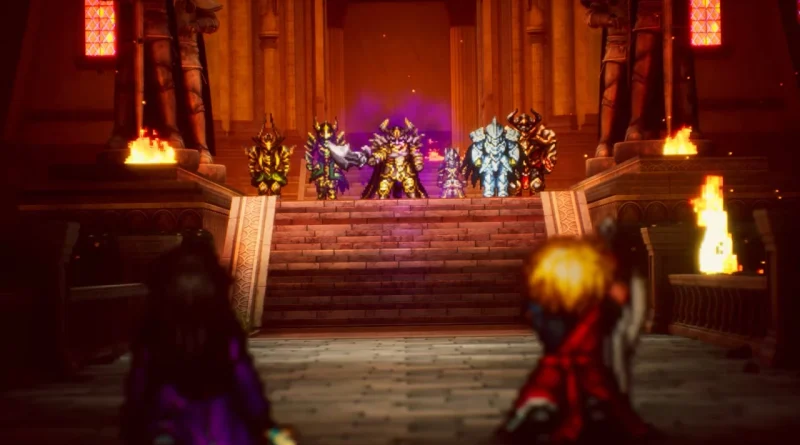
Final Fantasy Resonance Born from Creative Frustration: Producer Reveals Surprising Origins of New Mobile Game
The recent announcement of Final Fantasy Resonance has captured the attention of gaming enthusiasts worldwide, and producer Keisuke Nakashima has now revealed fascinating details about the game’s development origins. In a candid interview, Nakashima disclosed that the project emerged from a place of creative frustration and determination to prove what his team could accomplish within the legendary franchise. This unexpected backstory adds an intriguing layer to what is already shaping up to be one of the most anticipated mobile entries in the Final Fantasy universe.
According to Nakashima, the development team felt underestimated within Square Enix’s broader organizational structure. This sense of being overlooked became a powerful motivating force, pushing the developers to channel their frustration into creating something that would demonstrate their capabilities and passion for the Final Fantasy brand. Rather than allowing disappointment to diminish their creative output, the team transformed their emotional response into fuel for innovation. This approach to game development, while unconventional, has historically produced some of gaming’s most memorable titles when creative teams feel they have something to prove.
The Final Fantasy franchise has a rich history spanning nearly four decades since its debut in 1987. Originally created by Hironobu Sakaguchi as a potential final project for Square before the company considered shutting down, the series has grown into one of gaming’s most influential and commercially successful properties. With over 170 million units sold worldwide across mainline entries and spin-offs, Final Fantasy has continuously evolved while maintaining core elements that fans cherish: compelling narratives, innovative combat systems, and breathtaking visual presentations. The franchise has successfully transitioned across multiple platforms, from early Nintendo consoles to modern mobile devices.
Final Fantasy Resonance enters an increasingly competitive mobile gaming market where established franchises compete for player attention and engagement. The mobile gaming sector generated over $90 billion in revenue in 2023, making it the largest segment of the gaming industry. Square Enix has previously found success in this space with titles like Final Fantasy Brave Exvius and War of the Visions, both of which have cultivated dedicated player communities. However, the company has also experienced notable failures, including the shutdown of several mobile projects that failed to meet expectations. This mixed track record makes Nakashima’s team even more determined to deliver a product that stands out.
The concept of creating art from adversity resonates throughout gaming history. Numerous beloved titles have emerged from similar circumstances where development teams faced internal challenges or felt pressure to prove their worth. The original Kingdom Hearts was born from a chance elevator meeting and initial skepticism about combining Disney and Final Fantasy properties. Similarly, many indie game successes have stemmed from developers who felt constrained by larger studio environments and sought to demonstrate their individual visions. This pattern suggests that creative friction, when properly channeled, can produce exceptional results that might not emerge from comfortable development conditions.
Details about Final Fantasy Resonance’s gameplay mechanics and story remain relatively scarce, though Nakashima has hinted at innovative features that will distinguish it from previous mobile entries in the franchise. The producer emphasized that the team prioritized creating a genuine Final Fantasy experience rather than simply adapting existing formulas for mobile platforms. This commitment to authenticity while embracing mobile-specific opportunities suggests the developers are attempting to bridge the gap between traditional console experiences and the accessibility demands of smartphone gaming. Industry analysts have noted that successful mobile adaptations of major franchises require this delicate balance between honoring legacy and innovation.
The gaming community’s response to the Resonance announcement has been cautiously optimistic, with longtime Final Fantasy fans expressing both excitement and the characteristic skepticism that accompanies any new mobile entry in a beloved franchise. Social media discussions have focused on Nakashima’s comments about the game’s origins, with many players appreciating the transparency about the development team’s emotional investment in the project. As the gaming industry continues to evolve, stories like Final Fantasy Resonance’s creation remind audiences that behind every title are passionate developers whose personal experiences and emotions directly influence the games that millions will eventually play.